




James Harding
17/05/2026
Ohme vs Hypervolt Charger: Which Fits Best?
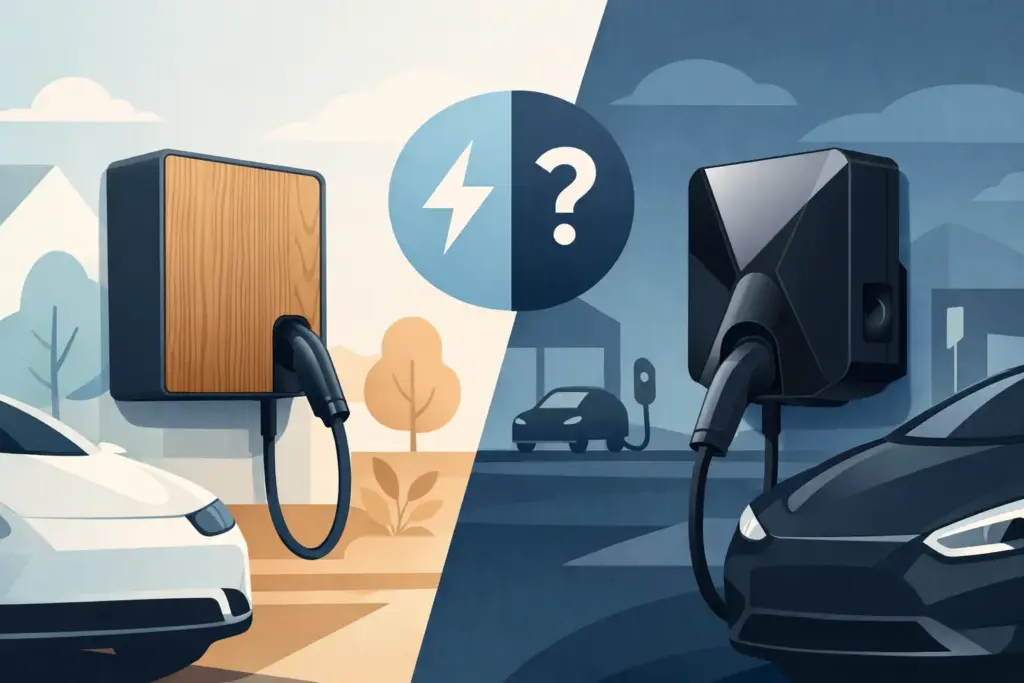
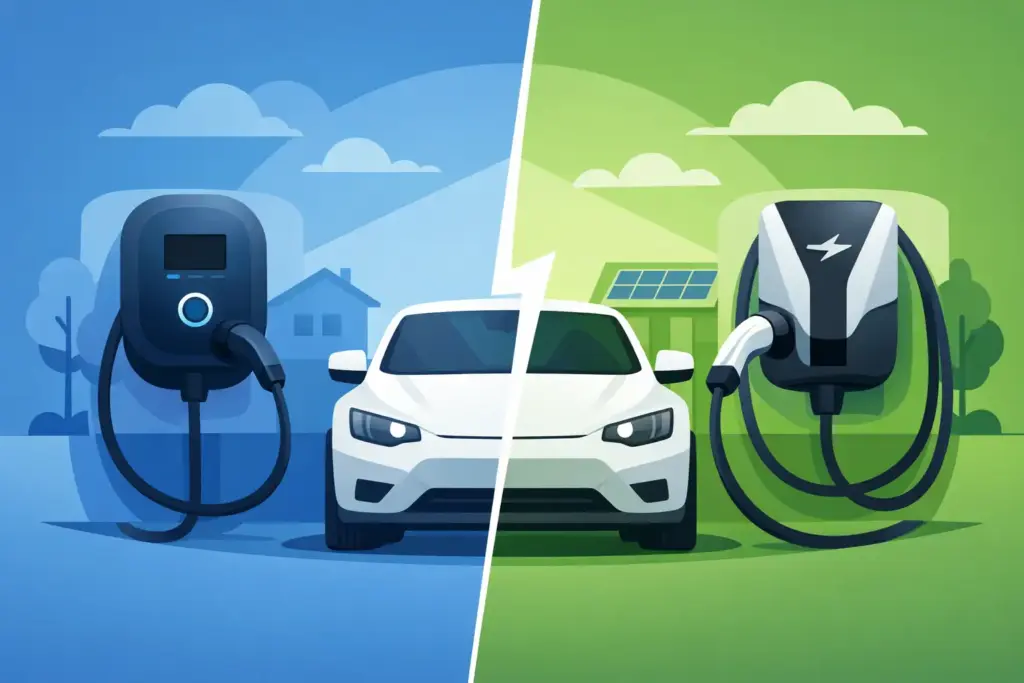
Choosing between an Ohme vs Hypervolt charger usually comes down to one practical question – do you want the smartest tariff-led charging possible, or a more polished all-round home charger with strong app control and solar features? Both are established UK favourites, both work well for home EV charging, and both can be the right choice depending on your vehicle, tariff and installation setup.
This is not a case of one unit being universally better. It is more about where each product fits. For homeowners, that means looking at day-to-day charging behaviour, off-peak tariffs, cable preference and appearance on the wall. For installers, it also means checking load management, protection requirements, connectivity expectations and how straightforward the job will be on site.
Ohme vs Hypervolt charger: the main difference
At a high level, Ohme has built its reputation around smart charging that works very closely with time-of-use energy tariffs. If your priority is charging at the cheapest available times and letting the charger schedule around your tariff window, Ohme is often the first name on the shortlist.
Hypervolt takes a slightly broader lifestyle-and-performance approach. It is still a smart charger, but the appeal is wider than tariff optimisation alone. Buyers are often drawn to the integrated cable on many models, the cleaner visual design, the app experience and the way it suits homes where appearance matters almost as much as charging performance.
That distinction matters because many buyers start by comparing headline power ratings and miss the real buying criteria. In practice, most UK single-phase home chargers are delivering up to 7.4kW. The decision is usually about software, usability, compatibility and installation preference rather than raw charging speed.
Smart charging and tariff compatibility
If you are on an EV tariff such as Octopus Intelligent Go or another off-peak setup, Ohme has a clear advantage in buyer perception because tariff integration is central to the product proposition. It is designed to automate low-cost charging in a way that feels purposeful rather than bolted on. For drivers who simply want to plug in and let the charger work out the cheapest schedule, that can be a strong reason to choose it.
Hypervolt also offers scheduled charging and smart control, but it is not usually the first product people mention when tariff-led automation is the top priority. That does not make it weaker across the board. It means the buying case is slightly different. If you are happy managing schedules in app, or your charging needs are more regular and predictable, Hypervolt remains a very capable option.
There is an important trade-off here. The more you depend on tariff integration, the more you should verify current compatibility with your exact supplier, tariff and vehicle. Smart charging platforms change, vehicle APIs change, and the best choice can depend on what works reliably now rather than what worked for someone else six months ago.
Design, cable setup and day-to-day use
This is where Hypervolt often stands out. It is widely chosen by homeowners who want a charger that looks neat on the front or side of the property and feels tidy in daily use. The tethered format is especially popular because the cable is always there when needed. For households doing frequent short top-ups, that convenience counts.
Ohme models suit users who are less concerned about visual statement and more focused on function. That is not to say they look poor, but the buying motivation is more likely to be capability-first. If you care most about low running costs and automation, design may be secondary.
Cable choice is also practical, not cosmetic. A tethered charger is quicker to use but commits you to a fixed cable on the wall. An untethered unit can look cleaner and may suit homes with more than one EV connector type over time, though in the UK Type 2 is now standard for most current EVs. Installers will also know that cable routing, storage and wall position can affect what feels convenient once the charger is actually in use.
Solar compatibility and energy management
For homes with solar PV, Hypervolt often gets extra attention because solar integration is part of the conversation more often. If the aim is to divert surplus solar into the car and keep more self-generated energy on site, Hypervolt can be an attractive choice.
Ohme is more strongly associated with tariff intelligence than with solar-first charging. That does not mean it is unsuitable in a solar property, but if solar optimisation is central to the project, Hypervolt may align more naturally with that brief.
This is another area where the right answer depends on the property. A house with modest solar generation and a strong off-peak tariff may still get better charging economics from tariff-based overnight charging than from trying to chase daytime surplus generation. On the other hand, a home with a larger PV array, battery storage and consistent daytime surplus may see more value in a charger that fits neatly into a solar-led setup.
Installation considerations for UK properties
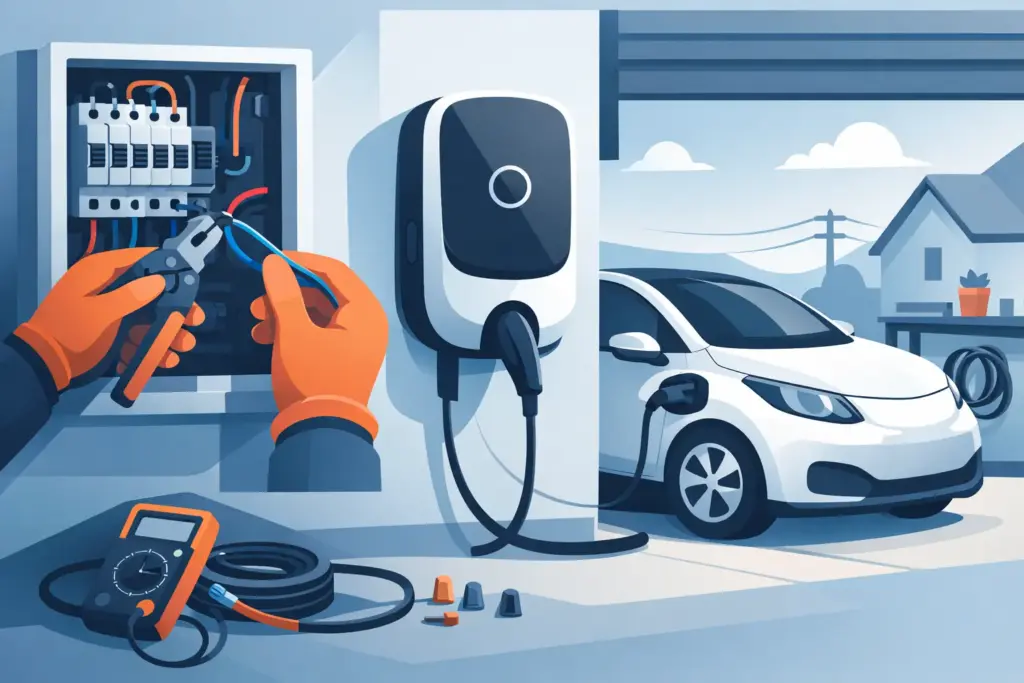
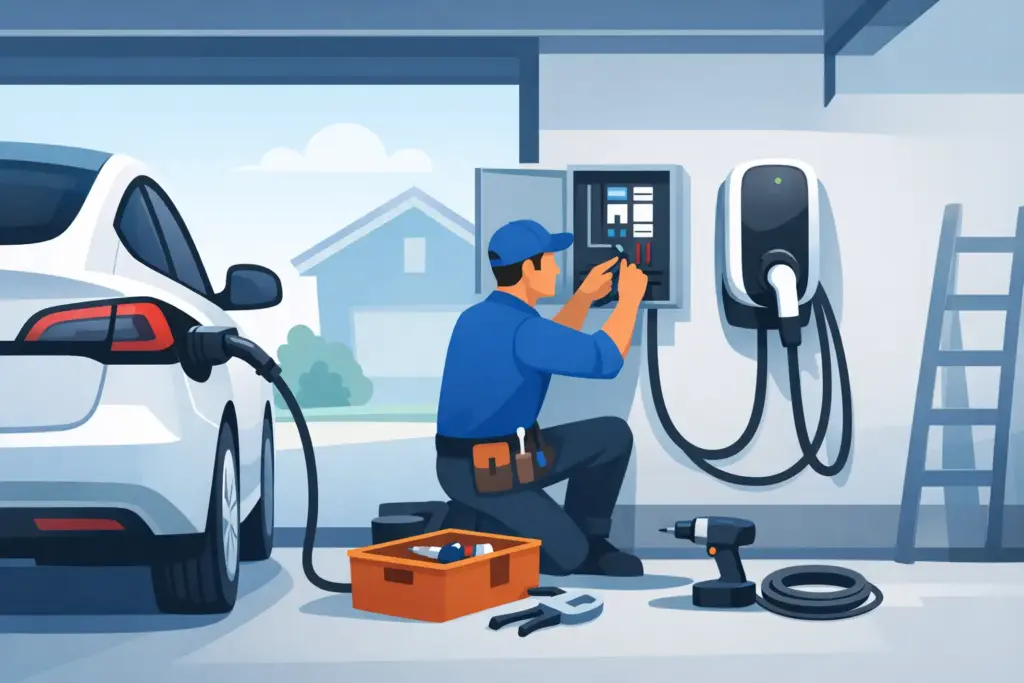
From an installer’s point of view, the Ohme vs Hypervolt charger comparison is not just about the unit itself. It is about the complete job. Earthing arrangement, PME considerations, load balancing, Wi-Fi strength, cable route, mounting location and circuit protection all influence which charger is the better fit.
Both brands are common enough in the UK market that most experienced installers will be familiar with them, but familiarity should not replace proper specification checks. Some jobs favour a straightforward domestic setup with standard routing and strong signal. Others need more planning because the charger is going on an outbuilding, a detached garage or a wall with limited cable concealment options.
Connectivity matters as well. If the property has weak Wi-Fi at the proposed charger position, mobile-connected options can be appealing. If the homeowner expects app control to work flawlessly from day one, it is worth checking network conditions before committing. A smart charger is only as smart as the connection it can maintain.
For trade buyers, the wider project bill also matters. Charger choice often sits alongside RCBOs, surge protection, cable management, mounting hardware and any required fault protection equipment. That is why many installers prefer to source from a supplier that understands not only the charger model but the full compliant install pack around it.
Which charger suits which buyer?
If your priority is the lowest possible charging cost through automated off-peak tariff scheduling, Ohme is often the more natural choice. It suits drivers who want the charger to make the smart decisions for them and who place economic efficiency ahead of appearance.
If your priority is a charger that looks good, feels premium in everyday use and can fit well into a solar-aware home setup, Hypervolt may be the better option. It suits buyers who want strong smart features but also care about finish, cable convenience and how the charger sits on the property.
There are also buyers in the middle. If you have no solar, charge mostly overnight and want the simplest route to lower running costs, Ohme can make more sense. If your charging pattern is mixed, your charger is going somewhere highly visible, and you want an all-rounder that balances features well, Hypervolt is easy to justify.
Ohme vs Hypervolt charger for installers and trade buyers
For installers, product selection is rarely about brand reputation alone. It is about whether the charger suits the client brief and whether the install can be delivered efficiently and compliantly. An Ohme unit may be an easier sell where the customer is very tariff-focused and wants guidance towards lower-cost charging. A Hypervolt may land better where the customer is comparing aesthetics, solar options and daily usability.
Callbacks and expectation management matter too. If a client has been promised highly automated cheap-rate charging, the chosen charger needs to support that convincingly. If they have been sold on tidy appearance and a premium finish, the installation quality and cable presentation need to match. The best outcomes usually come from matching the charger to the customer’s real priorities rather than trying to force one product into every job.
For merchants and specialist retailers such as UK EV Installers Shop, this is exactly why product range matters. Buyers do not all need the same answer. Some need tariff-led charging, others want solar alignment, and many need the surrounding protection and installation materials at the same time.
Final buying view
Neither charger is the wrong choice when specified properly. Ohme is particularly strong where smart tariff optimisation leads the buying decision. Hypervolt is especially compelling where design, app-led control and solar suitability are higher up the list.
If you are still split between the two, stop comparing brochure claims and look at your actual setup: your tariff, your vehicle, your parking arrangement, your property electrics and how you expect to charge through the week. The better charger is the one that fits that reality cleanly – and will still make sense once the novelty of ownership wears off.
Trustpilot Reviews
Future return customer. Never heard of them before so was a bit of a gamble pressing the pay now button but couldn’t…Hypervolt Home Pro review for UK buyers
Hypervolt Home Pro review for UK buyers. See charging speed, smart features, installation factors and whether this home EV charger is worth…How to Wire Home EV Charger Safely
Learn how to wire home EV charger systems safely in the UK, from circuit sizing and protection to earthing, load management and…