




James Harding
11/05/2026
What Car Home EV Chargers Should You Buy?
If you are asking what car home EV chargers you should be looking at, the right answer starts with your vehicle, your electrical supply and how you actually use the car day to day. A charger that suits a company car driver on an overnight tariff may be the wrong fit for a household with solar, a short driveway cable run or plans to change vehicles in the next year.
For most UK homes, the decision is not simply about brand. It is about matching charging speed, cable format, smart control and installation requirements to the car and the property. That is where many buying mistakes happen. People focus on appearance or headline features, then find the charger is less convenient than expected or needs extra protection and load management once the installer assesses the site.
What car home EV chargers actually need to match
The first thing to clear up is compatibility. Most modern EVs and plug-in hybrids sold in the UK use a Type 2 connection for AC home charging. That gives buyers a broad choice of home chargers. In practical terms, if your car has a Type 2 inlet, you are usually choosing between charger power, tethered or untethered format, and the quality of the smart features rather than basic plug fit.
The next point is onboard charging. A home charger may be rated at 7.4kW, but the car only charges at the maximum AC rate its onboard charger allows. Many UK domestic installations are single phase, so 7.4kW is the common home charging option. If your vehicle only accepts 3.6kW or 7kW AC, fitting a larger three-phase unit at home will not make sense unless the property and vehicle both support it and there is a clear reason to do so.
Battery size matters too. A larger battery does not necessarily mean you need a faster charger, but it does affect overnight charging expectations. A plug-in hybrid with a smaller battery may be fully replenished in a couple of hours. A larger battery EV is more likely to benefit from scheduled overnight charging on a lower-cost tariff.
The main charger types for UK homes
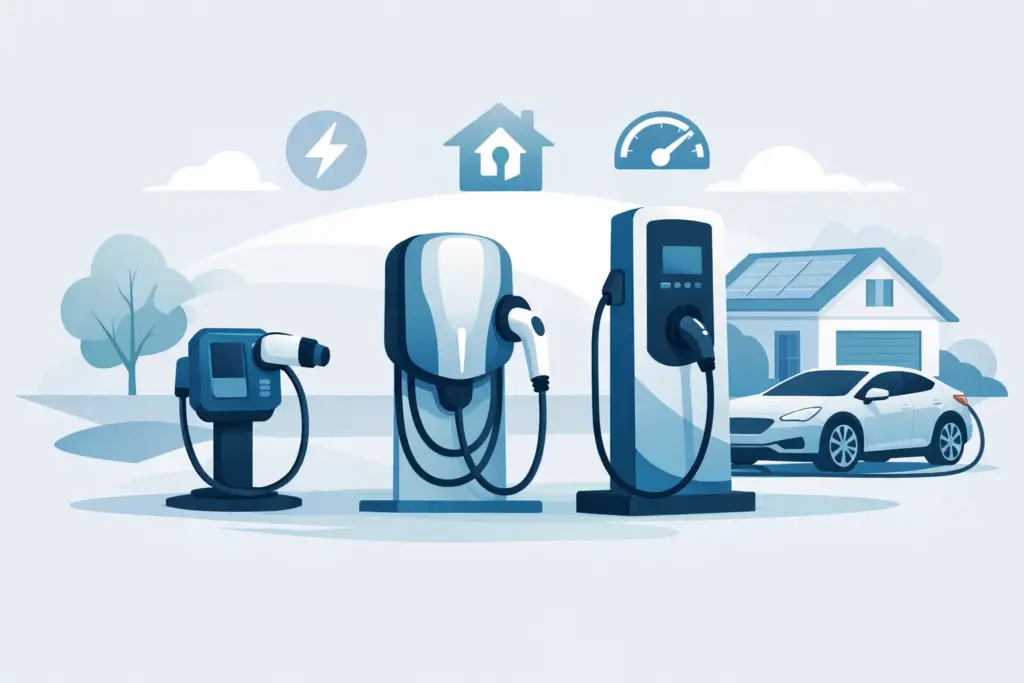
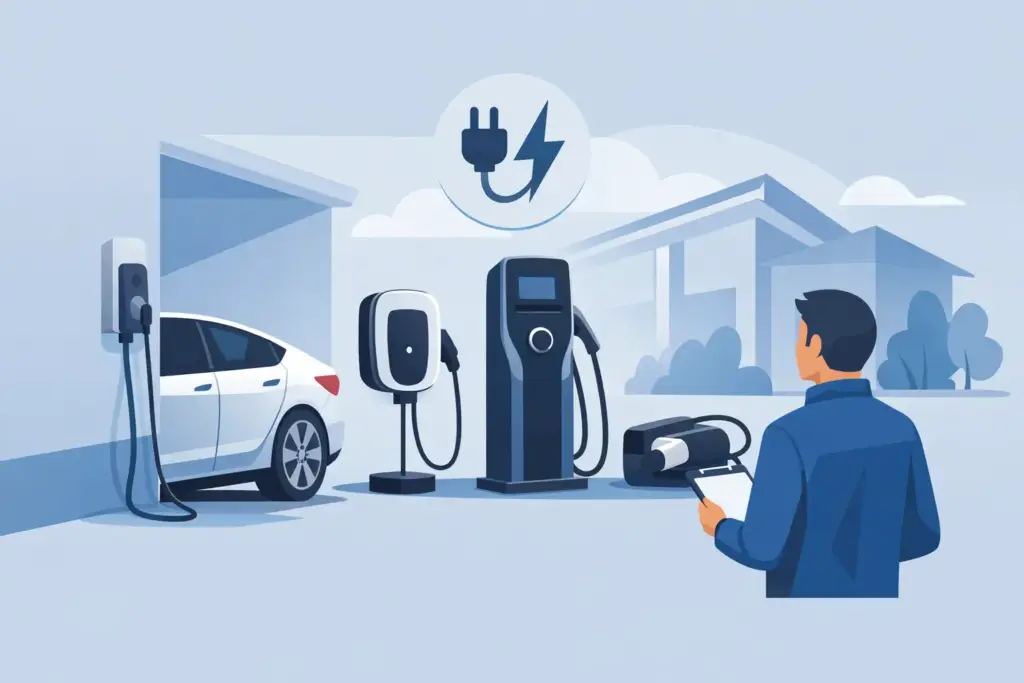
When comparing what car home EV chargers are suitable, most buyers are choosing from a few core formats.
7.4kW single-phase chargers
This is the standard choice for many UK households. It offers a practical balance between charging speed, installation simplicity and compatibility. For drivers topping up overnight, 7.4kW usually covers daily mileage comfortably.
It is also the easiest route for installers sourcing mainstream compliant hardware, protection devices and cable management accessories. In most straightforward residential jobs, this is the specification that makes the most commercial and practical sense.
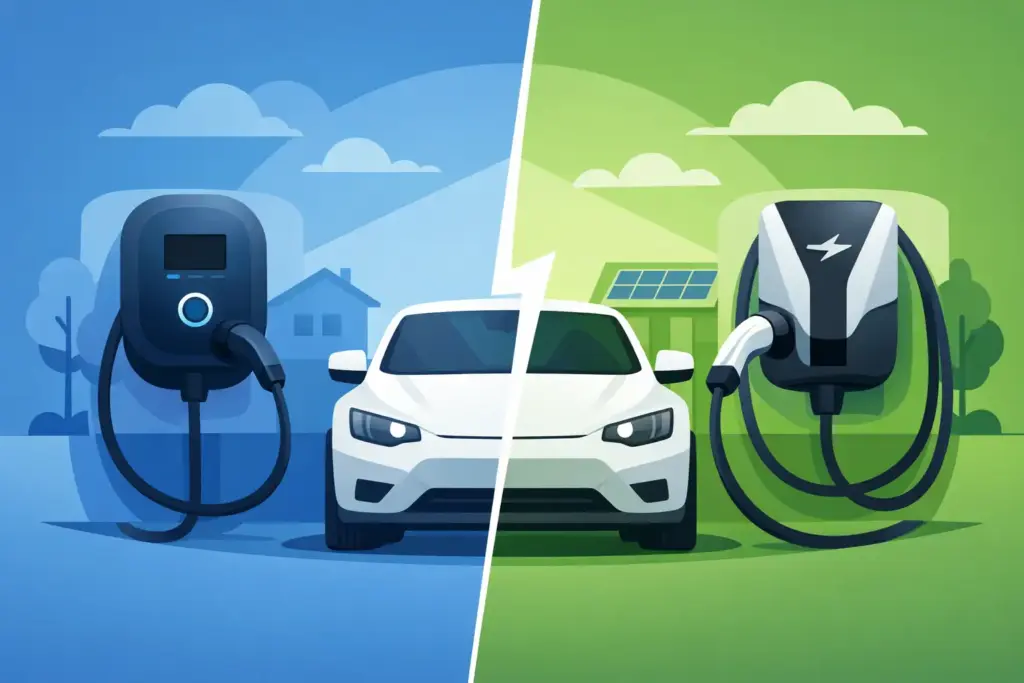
Tethered chargers
A tethered charger has a fixed charging cable attached. For everyday convenience, this is hard to beat. You park, plug in and charge. It is especially useful if the same vehicle is charged regularly in the same bay.
The trade-off is flexibility and appearance. If you change vehicle type or want a tidier front elevation, a fixed cable may feel less ideal. Cable length is another important detail. Too short and parking becomes awkward. Too long and cable storage becomes untidy.
Untethered chargers
An untethered charger uses a separate charging lead. Many homeowners prefer this because it looks neater and allows the cable to be kept in the car or stored separately. It can also suit households with multiple EVs, especially where drivers already carry their own Type 2 lead.
The downside is one more item to handle each time you charge. For some users that is no issue. For others, especially in poor weather or on a busy weekday morning, tethered is simpler.
Smart features matter more than many buyers expect
A home charger is not just a wall box with a socket. Smart control can make a noticeable difference to running cost and everyday usability.
Tariff scheduling
If you use an off-peak EV tariff, scheduling is one of the most valuable features. A good charger should let you set charging windows reliably and without unnecessary complexity. Some units are particularly well known for tariff integration, while others offer broader flexibility with manual scheduling and app control.
If cost control is a priority, check whether the charger is designed around tariff use or simply offers basic timers. That distinction matters over time.
Solar integration
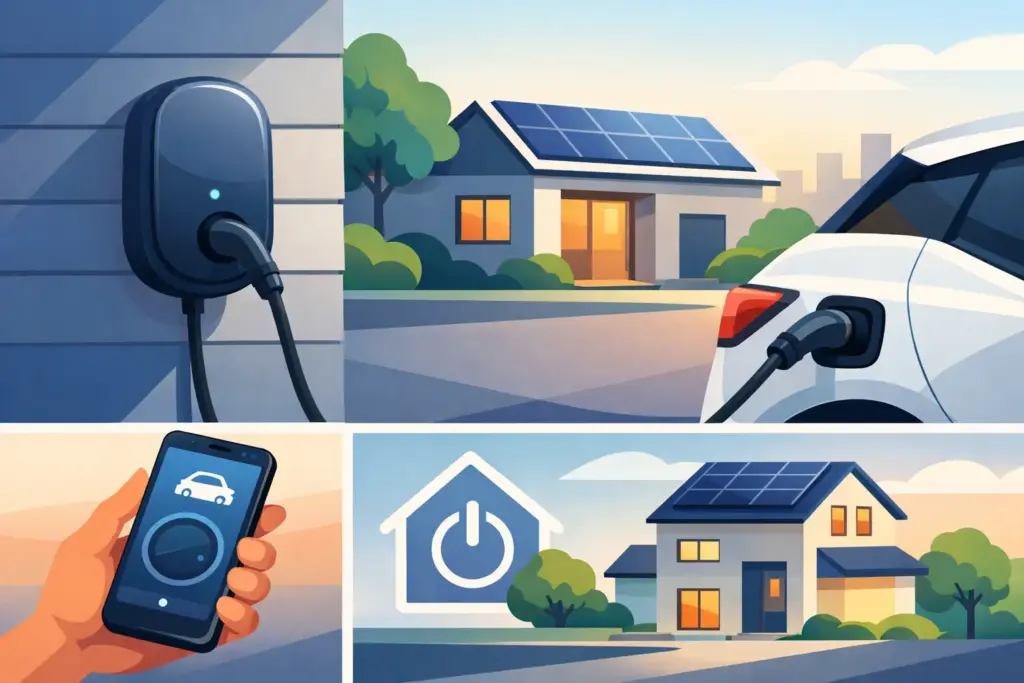
For properties with solar PV, the charger may be able to divert surplus generation into the vehicle. This can improve self-consumption and reduce imported electricity, but only if the charger and wider system are selected correctly.
This is one of the clearest examples of why charger choice should not be made in isolation. The vehicle, inverter setup, current protection and household load profile all affect the best option.
Load balancing and supply protection
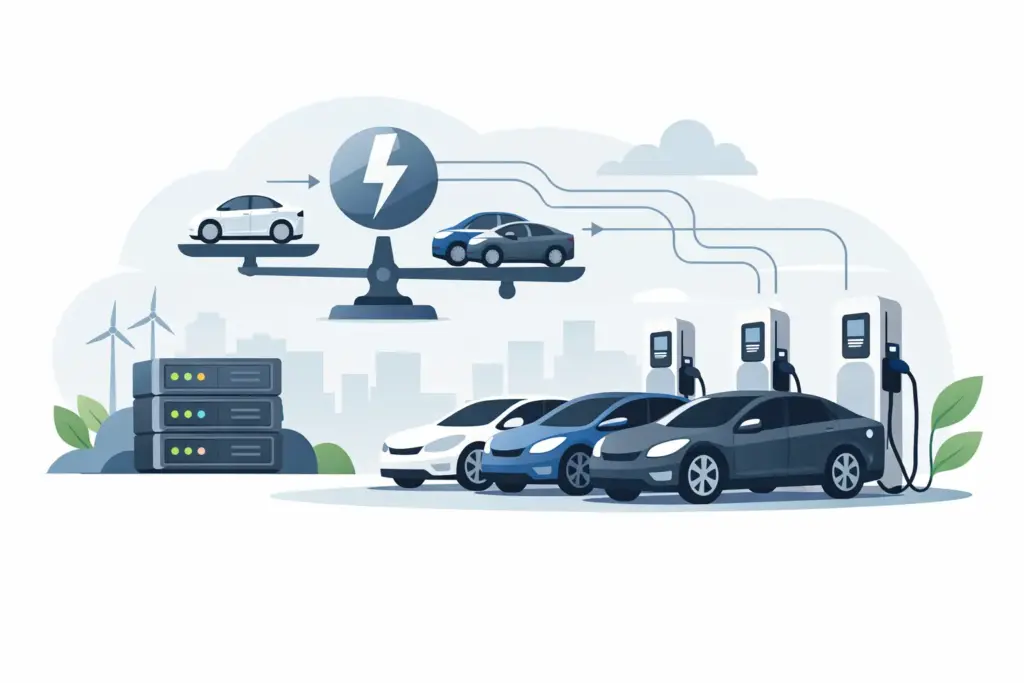
Some homes have limited spare capacity. In those cases, dynamic load management can be essential rather than optional. It helps prevent the charger from overloading the incoming supply when other high-demand appliances are running.
From an installer perspective, this is often where the job becomes more technical. PME fault protection, RCBO selection, surge protection and load balancing devices may all form part of a compliant solution depending on the installation design.
How to choose by vehicle and driving pattern
If you drive a battery EV daily and cover regular mileage, prioritise a dependable 7.4kW smart charger with strong scheduling. The value comes from overnight convenience and lower running costs rather than headline charging speed.
If you drive a plug-in hybrid, you may not need advanced features, but reliability and ease of use still matter. A smaller battery means charging sessions are shorter, so a simple smart charger often does the job well.
If the household has two EVs or is likely to in the near future, think ahead. The neatest charger today may be the wrong one six months from now if cable type, app controls or load management do not support the second vehicle or charging routine.
If you plan to add solar or battery storage later, it is worth choosing hardware with that future in mind. Replacing a charger early because the original unit lacks the right integration is usually false economy.
Installation factors that change the answer
The property often decides as much as the car. A charger installed next to the consumer unit with a short cable run is a very different job from one mounted on a detached garage with groundwork, civil works or additional protection needed.
Parking arrangement matters. If the car is always reversed into the drive, the cable position can be optimised one way. If different cars park in different spots, cable reach becomes more important. This is one reason tethered cable length should never be treated as a minor detail.
Electrical capacity is another key factor. Some homes have enough headroom for a straightforward install. Others need load curtailment or a more carefully designed setup. For trade buyers and installers, this is where having access to charger hardware and the supporting protection, mounting and cable management products from one source saves time.
Brand choice is about fit, not just reputation
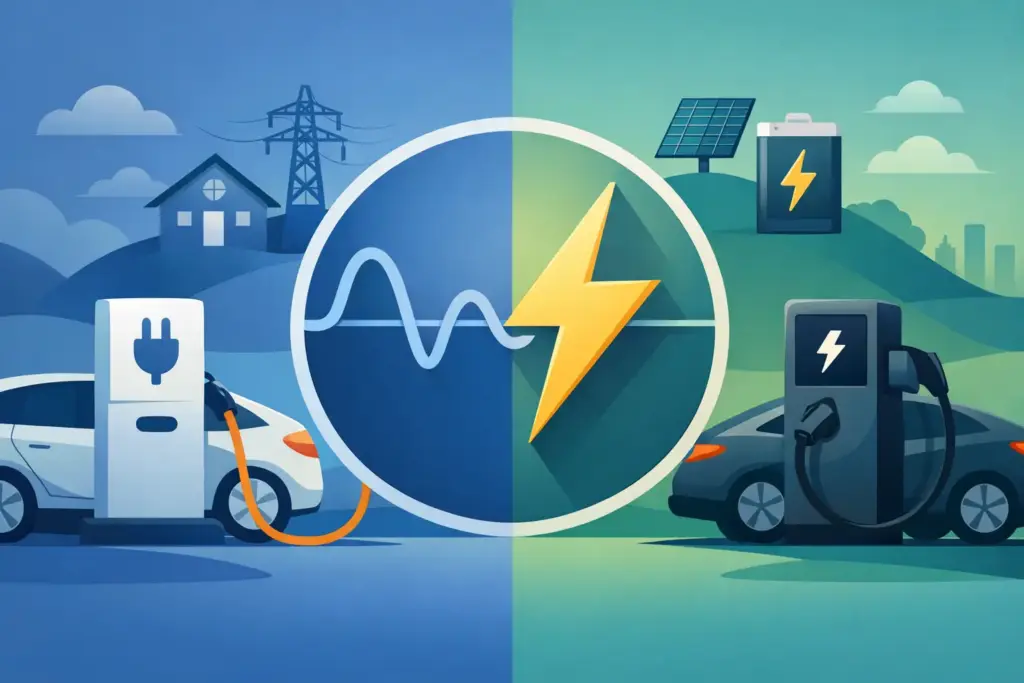
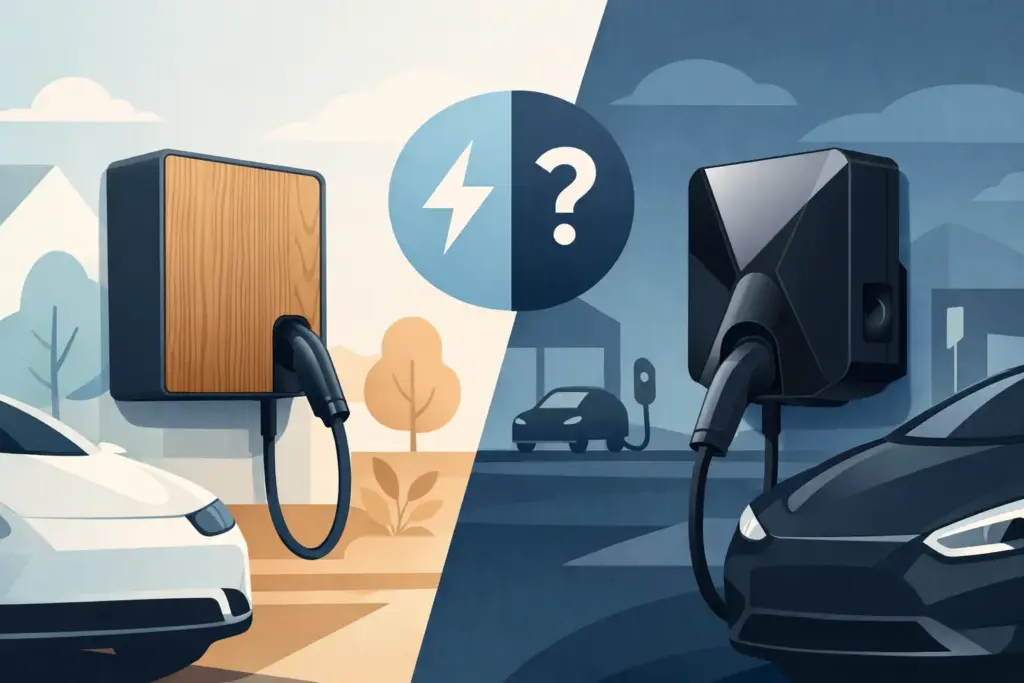
Well-known UK charger brands each have strengths. Some are especially attractive for tariff users, some for premium aesthetics, some for solar integration, and some for straightforward dependable smart charging. There is no single best charger for every vehicle and every property.
A homeowner may focus on app experience and appearance. An installer may focus on commissioning reliability, protection requirements and stock availability. Both views are valid. The right purchase is the one that works technically, complies properly and remains easy to live with after installation.
That is why comparison should go beyond price. A cheaper unit can become the more expensive option if it needs extra accessories, has weaker energy management or proves awkward for the customer to use.
Common buying mistakes
One of the most common errors is buying on power rating alone. For most UK homes, 7.4kW is the practical benchmark, and going beyond that is not automatically useful.
Another is choosing tethered or untethered based only on looks. Daily usability, parking layout and whether one or several cars will use the charger usually matter more.
A third mistake is ignoring installation components. The charger is only part of the system. Protection, earthing considerations, load management and mounting arrangements all affect the final setup.
Finally, many buyers underestimate future change. If there is a realistic chance of adding solar, changing car brand or installing a second charger later, that should shape the first purchase.
For buyers who want recognised charger brands alongside the technical parts that complete the job properly, UK EV Installers Shop is set up around that exact requirement.
So, what car home EV chargers should you buy?
For a typical UK homeowner with a single EV, off-street parking and a standard single-phase supply, a 7.4kW smart charger is usually the correct starting point. Then decide whether tethered convenience or untethered flexibility suits the vehicle and driveway better.
If your priority is low running cost, put tariff scheduling near the top of the list. If you have solar, focus on generation-aware charging. If the property has limited electrical capacity, make load management part of the specification from the outset, not an afterthought.
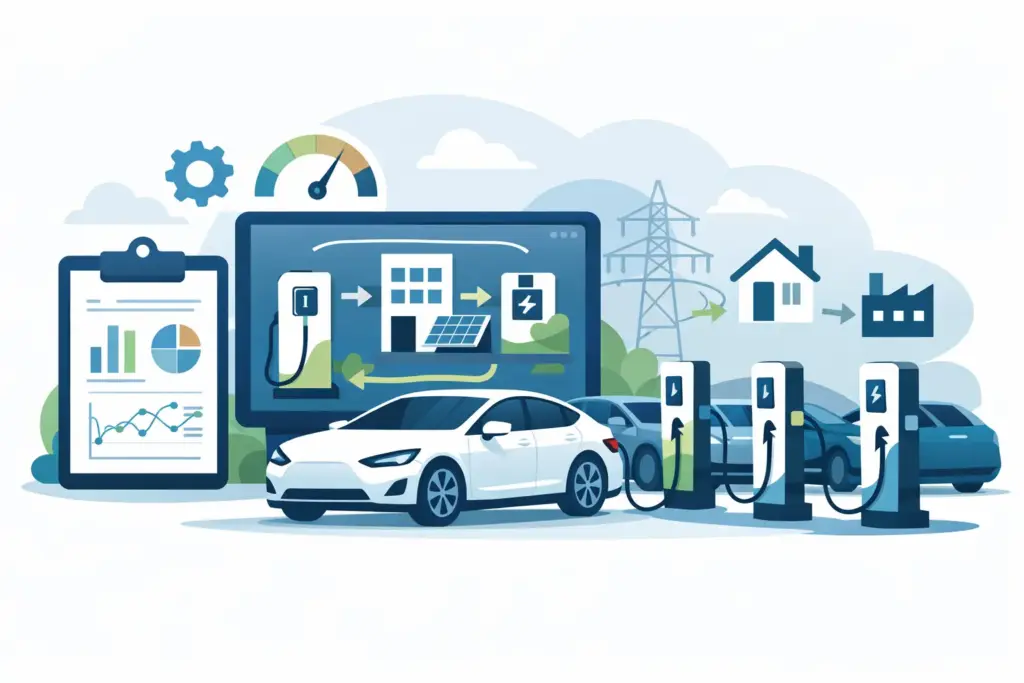
The best result usually comes from treating the charger as part of a complete home energy setup rather than a standalone product. Choose the unit that fits the car you drive now, the property you have now and the electrical upgrades you are likely to need next.
What Is the Fastest Home EV Charger?
What is the fastest home EV charger? Learn UK limits, single-phase vs three-phase, vehicle charging caps and what actually makes home charging…Best Home EV Charger 2026 UK: What to Buy
Best home EV charger 2026 UK guide. Compare smart features, load balancing, solar options, tethered vs untethered and installation needs.Types of Home EV Chargers Explained
Learn the main types of home EV chargers, from socket and tethered units to smart and solar-ready options, and choose the right…