




James Harding
29/04/2026
Best Home EV Charger 2026 UK: What to Buy
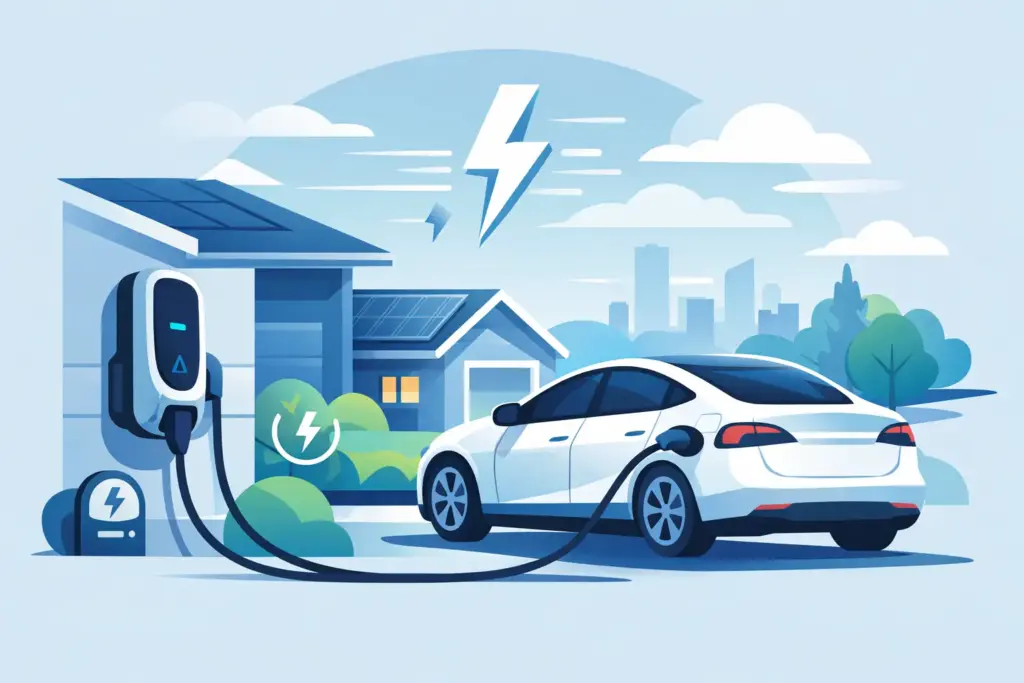
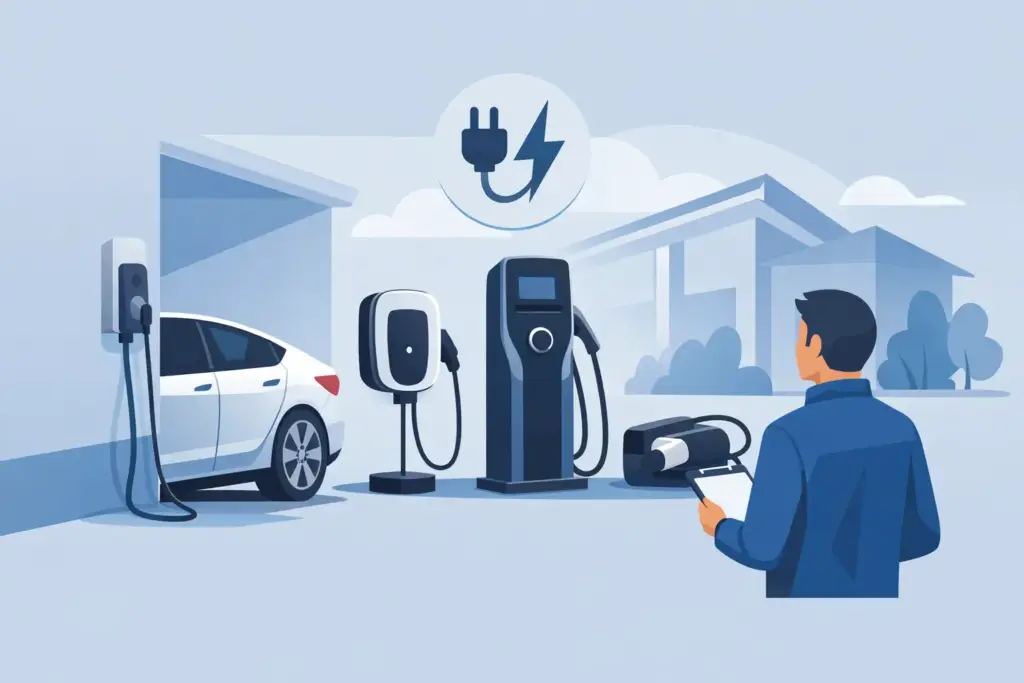
If you are trying to choose the best home EV charger 2026 UK buyers can install without regret six months later, the wrong question is simply which brand is most popular. The better question is which charger suits your vehicle, tariff, supply, cable preference and future plans. A charger that looks right on paper can still be the wrong fit if it lacks solar integration, dynamic load balancing or the protection approach your installation actually needs.
For most UK households, the best option is not the cheapest 7.4kW unit on the page. It is the one that works reliably with your off-peak tariff, fits the way you park, and can be installed compliantly without unnecessary extras or awkward workarounds. That is why a proper comparison matters in 2026 more than ever, especially as more homes combine EV charging with solar PV, battery storage and tighter grid capacity.
How to judge the best home EV charger 2026 UK options
A good home charger should do four things well. It should charge safely, make tariff scheduling simple, handle household electrical limits intelligently and remain easy to live with every day.
That means looking beyond headline charging speed. Most UK domestic properties use single-phase power, so a 7.4kW charger remains the standard choice. In practice, that is already fast enough for overnight charging on most EVs. Paying more for features you will never use is not good value, but missing key features such as load management can cost more during installation or limit performance later.
Compatibility is another point that gets overlooked. Some chargers are stronger on tariff integration, some are better for solar diversion, and some are designed around compact form factor or premium cable management. If you are buying for a current vehicle and likely to change cars within a few years, it is worth choosing a unit with broad compatibility and stable app support rather than focusing only on the car you drive today.
The features that actually matter
Smart tariff scheduling
This is close to essential now. The best home chargers in 2026 should let you schedule charging around lower-rate electricity periods without making you fight with the app. For households on EV tariffs, this can make a meaningful difference to running costs across the year.
Some chargers offer direct integration with specific tariffs and suppliers, while others rely on manual scheduling. Neither is automatically wrong. If your tariff is likely to change, a charger with flexible scheduling options may be the safer buy than one built around a narrower ecosystem.
Dynamic load balancing
If the cooker, shower and charger all pull hard at once, your supply can come under pressure. Dynamic load balancing helps prevent overload by adjusting charging current in real time. For many homes, this is one of the most useful features available because it can avoid costly supply upgrades and improve installation flexibility.
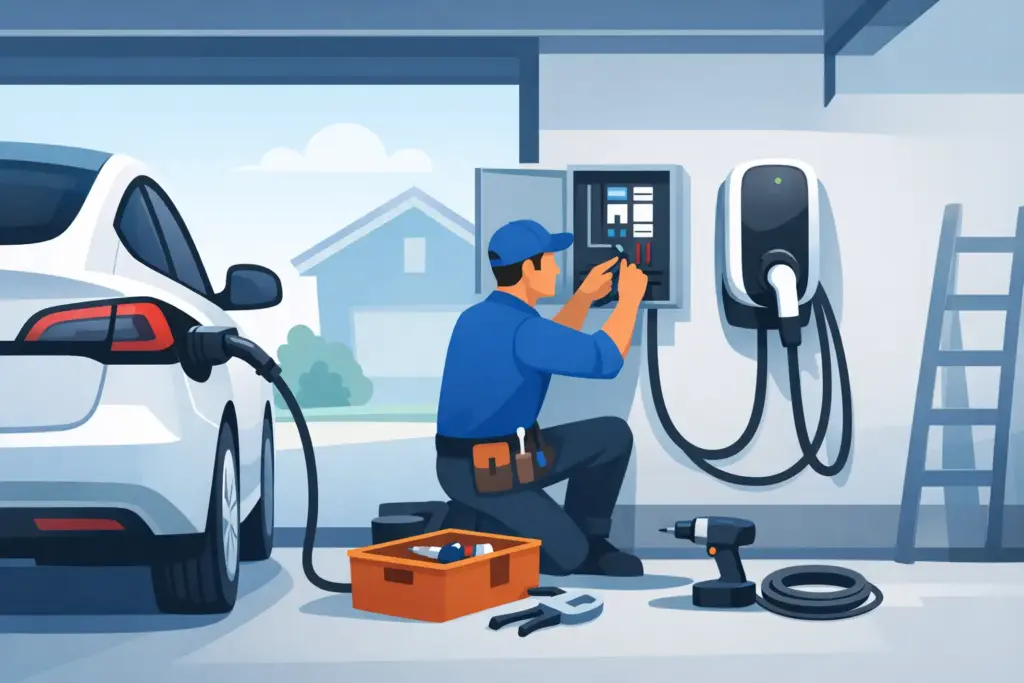
For installers, this also affects what extra hardware is needed on site. A charger with straightforward load management can simplify the job and help keep the installation neat and compliant.
Solar and battery integration
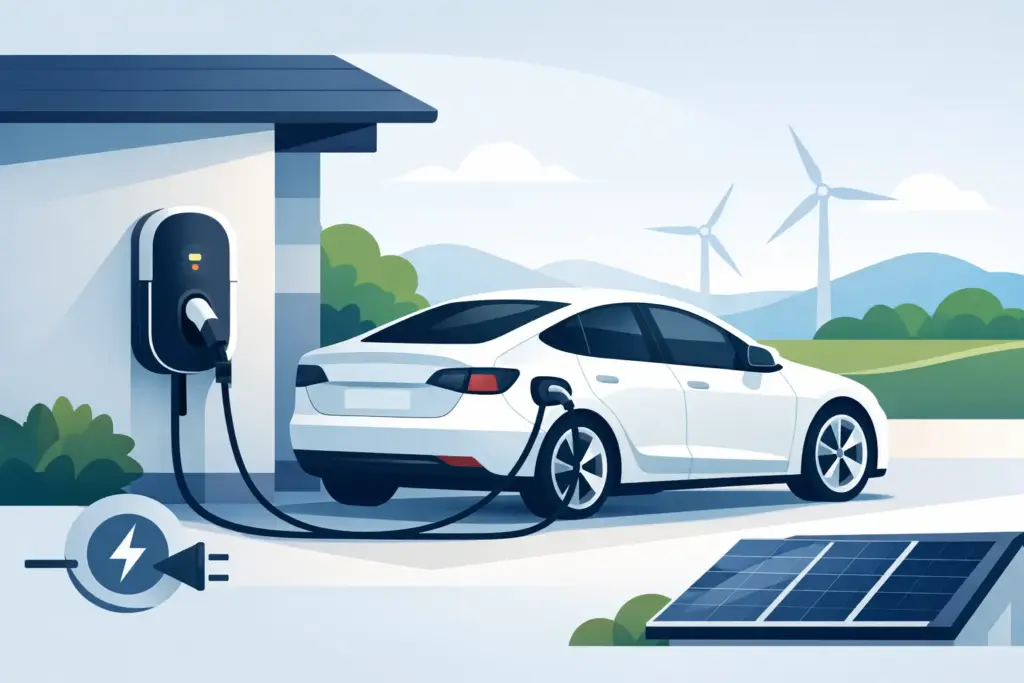
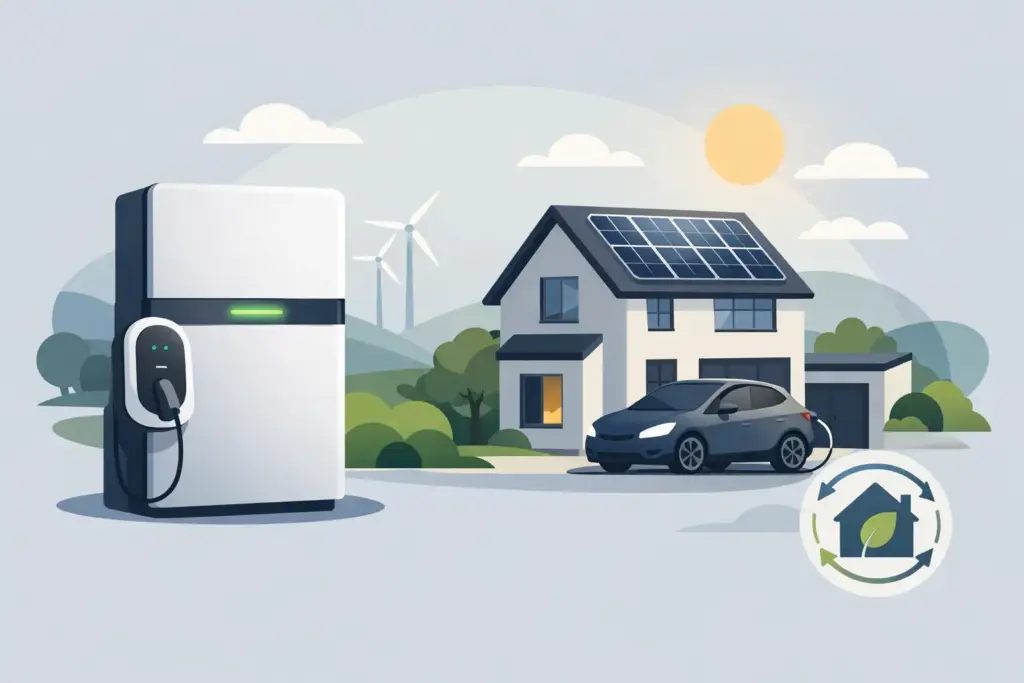
More buyers now want one charging setup that works with solar PV and, increasingly, home battery storage. If that is on your roadmap, choose accordingly from the start. Some chargers are particularly well suited to surplus solar charging, while others are stronger as general smart chargers but less focused on renewable integration.
This is a classic it-depends category. If you already have solar or know you will add it shortly, solar compatibility should rank high on your list. If not, a charger that excels on tariff charging may be the better investment.
Tethered or untethered
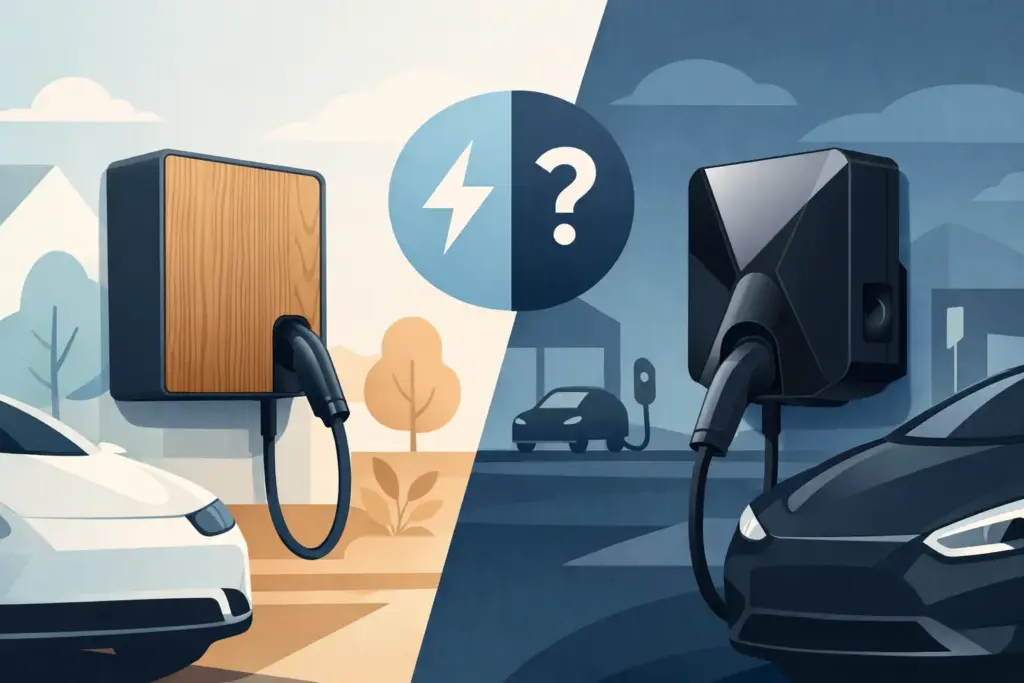
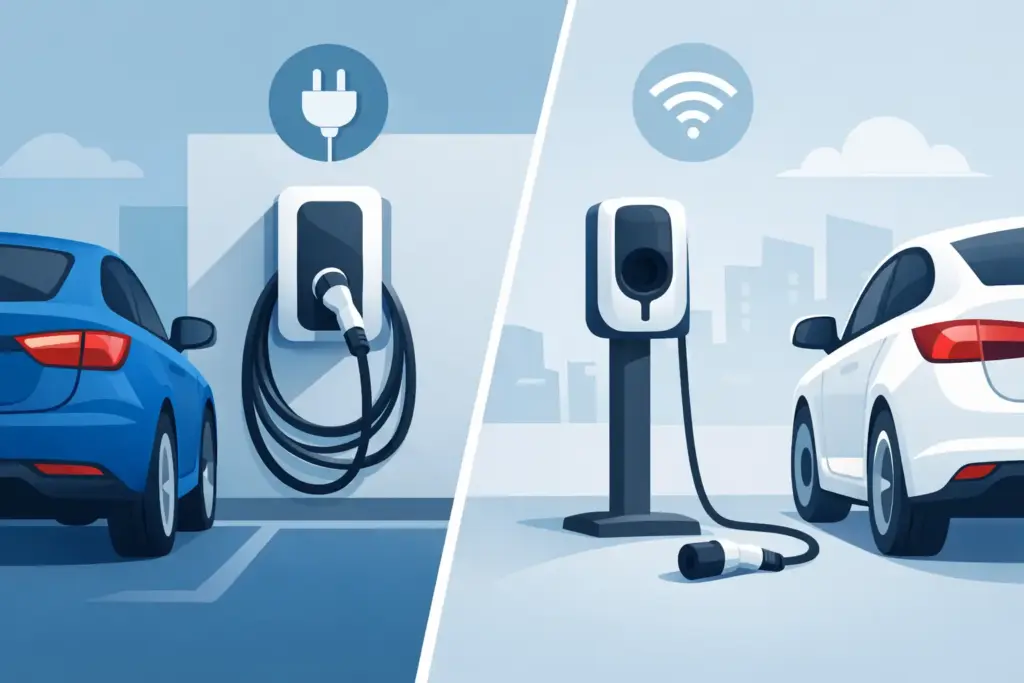
Tethered chargers are usually the easiest for everyday use. The cable is ready to go, which suits households that charge in the same spot most of the time. Untethered chargers look tidier to some buyers and offer flexibility if vehicles change, but they depend on you using a separate cable each time.
There is no universal winner here. If convenience matters most, tethered often comes out ahead. If appearance, replaceable cables or multi-vehicle flexibility matter more, untethered can be the better long-term choice.
PEN fault protection and installation requirements
In the UK, earthing arrangements and protection requirements are not an afterthought. Depending on the charger and the property, integrated protection features such as open PEN fault protection can affect both product choice and total installed cost. A cheaper unit without the right built-in protections may need additional components, which can narrow or remove the initial saving.
For that reason, homeowners should not compare charger prices in isolation, and installers should assess the complete job rather than just the box on the wall.
Which charger types tend to suit which buyers?
Households focused on low running costs usually benefit most from a smart charger with strong tariff scheduling and a reliable app. In this group, ease of use matters just as much as technical capability. A charger that supports low-cost overnight charging but is awkward to configure will not feel like a smart purchase for long.
Homes with solar PV should prioritise models with proven solar charging modes and sensible energy management. If the aim is to divert surplus generation to the car instead of exporting it, not all smart chargers perform equally well.
Drivers who want a more design-led installation often lean towards premium-looking units with better cable storage and cleaner finishes. That can be worth paying for, especially on front-of-house installations, but it should not come at the expense of everyday practicality.
Trade buyers and installers usually put a different weighting on the same decision. Reliable stock availability, straightforward commissioning, familiar apps, built-in protections and compatible accessories often matter more than cosmetic differences. In many cases, the best charger for the installer is also the best charger for the homeowner because a well-specified, job-ready product tends to create fewer support issues later.
Brand strengths in the UK market
The UK market still centres on a handful of established names, but they do not all compete in exactly the same way.
Ohme remains a strong option for tariff-led charging and user-friendly cost control, particularly for drivers who want charging to align closely with cheaper electricity periods. Hypervolt is often favoured by buyers who want a polished app experience and a charger that feels premium without becoming difficult to use. myenergi Zappi continues to stand out where solar integration is a priority and where the EV charger is part of a broader home energy setup. Andersen appeals to buyers willing to pay more for design, cable concealment and a cleaner visual finish. Zaptec is often appreciated for compact design, technical flexibility and a strong reputation in more specification-conscious projects.
That does not mean one of these is automatically the best home EV charger 2026 UK customers should choose. It means each has a clearer use case. The right product depends on whether you care most about tariff automation, renewable integration, appearance, installation flexibility or broad all-round performance.
Common buying mistakes
One mistake is choosing only on unit price. Installation complexity, protection requirements and any added accessories can shift the real cost quickly.
Another is ignoring where the vehicle is parked. Cable reach, wall position and daily convenience matter more than many buyers expect. A charger mounted neatly but awkwardly can become irritating every single day.
A third mistake is buying for a very narrow current setup. If you may add solar, change supplier, switch vehicles or move from one EV to two, your charger should allow some headroom. Futureproofing should not mean overbuying, but it should mean avoiding obvious limitations.
What we would prioritise in 2026
For a typical UK household on single-phase power, we would still prioritise a 7.4kW smart charger from a recognised brand with dependable app support, load balancing capability and installation options that suit UK compliance requirements. If the property has or plans solar, solar charging should move much higher up the shortlist. If convenience is the priority, tethered usually makes more sense. If aesthetics and flexibility matter most, untethered may justify the trade-off.
For installers, product choice should still be guided by complete job suitability rather than catalogue popularity. Built-in protections, commissioning speed, accessory availability and consistency across multiple projects often matter more than headline marketing claims. That is where a specialist supplier with depth across chargers, circuit protection and installation essentials can save time and reduce friction on site.
At UK EV Installers Shop, that is exactly how we would advise buyers to approach the category – not by chasing whichever unit gets talked about most, but by matching charger, property and installation method properly from the start.
Final thought on choosing well
The best charger is the one that fits the whole job. If you buy around your tariff, parking layout, electrical supply and future energy plans, you are far more likely to end up with a charger that still feels right in 2028, not just one that looked good in a 2026 comparison table.
Hypervolt Home Pro review for UK buyers
Hypervolt Home Pro review for UK buyers. See charging speed, smart features, installation factors and whether this home EV charger is worth…How Are Home EV Chargers Installed?
Learn how are home EV chargers installed in the UK, from survey and cabling to testing, certification and choosing the right setup.How to Lock Home EV Charger Access
Learn how to lock home EV charger access with app settings, RFID, cable locks and physical measures to reduce misuse and improve…