




James Harding
29/05/2026
Tethered vs Untethered Charger: Which Fits?
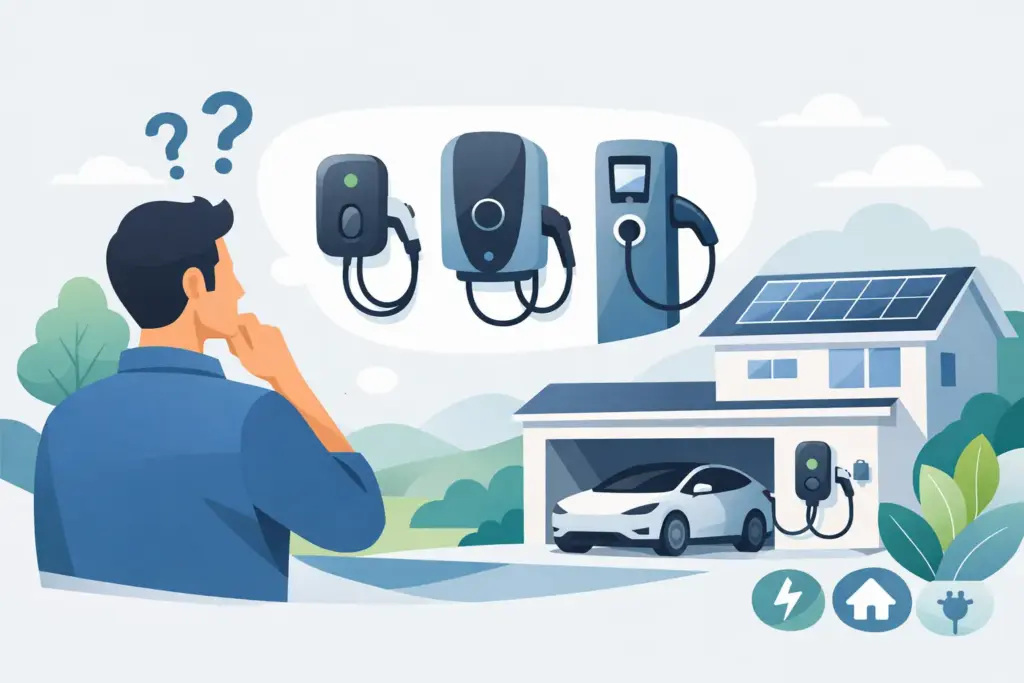
You usually notice the difference between charger types the first time you pull onto the drive in heavy rain. If the cable is already there, charging is quick. If it is stored in the boot, you are unpacking it before you even plug in. That is why the tethered vs untethered charger question matters more than it might seem at first glance.
For most buyers, this is not really about which option is better in the abstract. It is about how you charge day to day, which vehicle you have now, whether you expect to change cars, and how tidy, flexible or future-proof you want the setup to be. For installers, it is also about cable management, customer expectations and making sure the final choice suits the site rather than just the spec sheet.
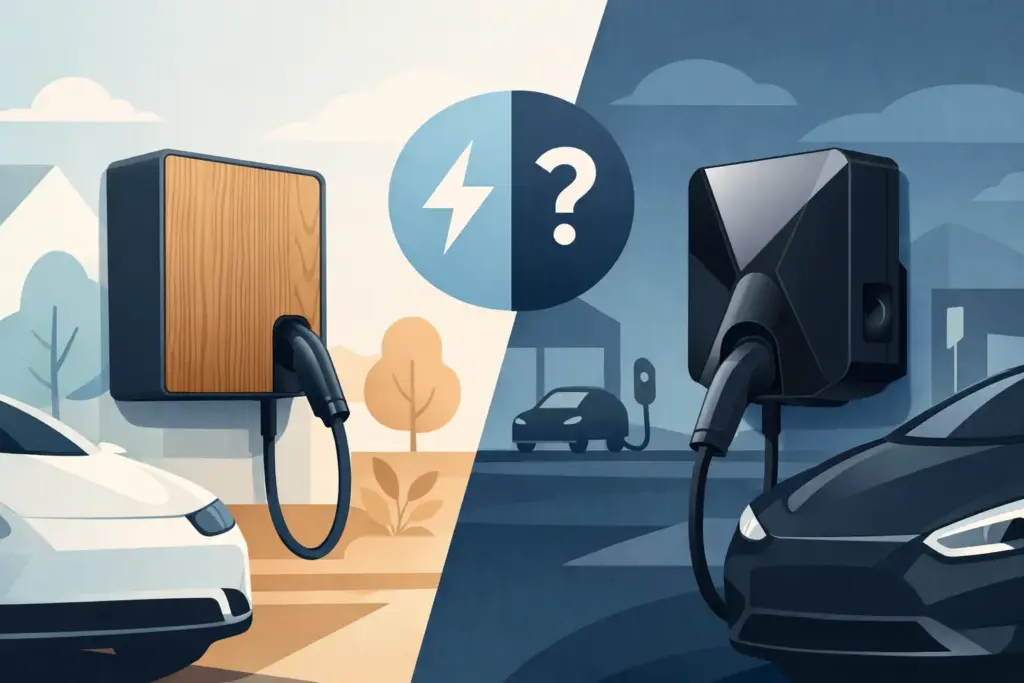
Tethered vs untethered charger at a glance
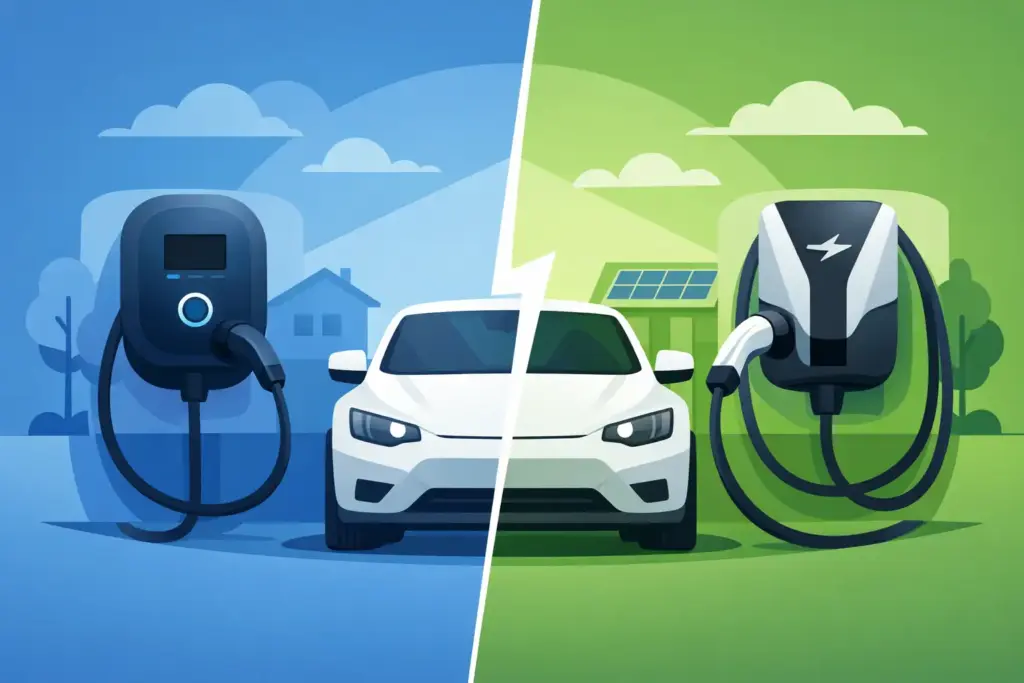
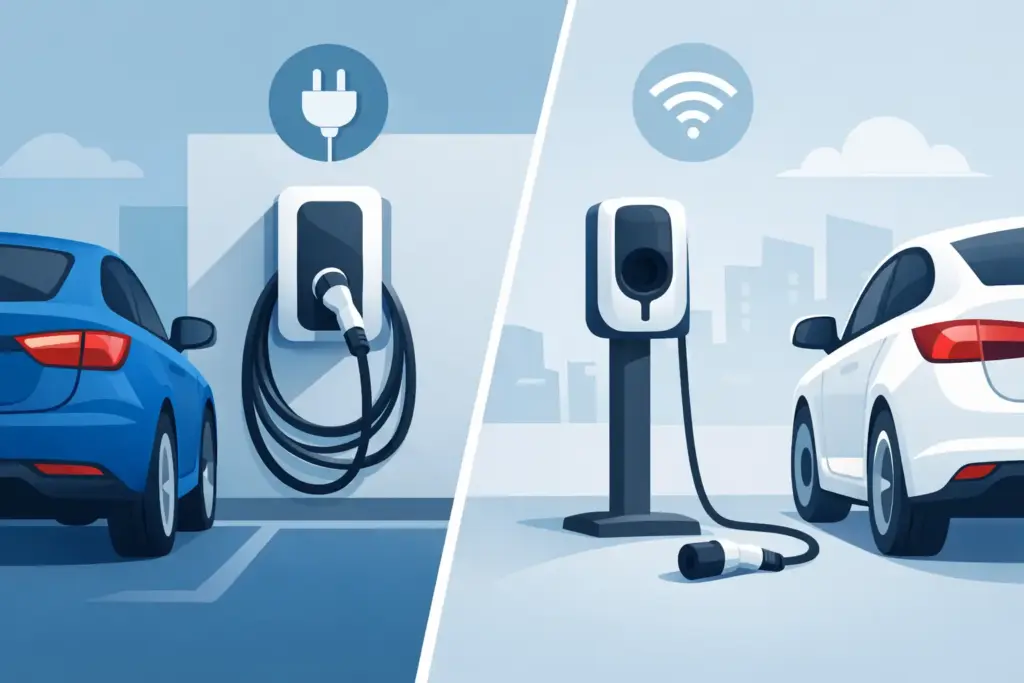
A tethered charger has a charging cable permanently attached to the unit. You park, unwrap the cable and plug in. An untethered charger has a socket on the front or underside, and you use a separate charging lead.
In the UK home charging market, both options are common. The right one depends on vehicle connector type, parking arrangement and who is using the charger. A single-EV household with a stable routine often prefers tethered. A property with changing vehicles, mixed users or a stronger preference for a cleaner finish may lean untethered.
Why a tethered charger suits some homes better
The main advantage of a tethered unit is convenience. The cable is always ready, which saves time and removes one extra step from the charging routine. That sounds minor until you are plugging in several times a week, late at night or in poor weather.
For drivers who charge at home almost exclusively, a tethered charger can feel more practical from day one. There is no need to lift a separate cable in and out of the car, no risk of leaving it behind, and no need to buy a dedicated lead if one is not already included with the vehicle.
There is also a straightforward benefit for households where one vehicle is used most of the time. If the connector is right for that car and likely to stay right for the next one, a tethered charger keeps the process simple. This is particularly appealing for driveway installations where charging speed and ease of use matter more than appearance.
That said, convenience has a trade-off. A permanently attached cable needs to be stored neatly when not in use. Some charger designs handle this well with integrated hooks or tidy wrapping, while others can leave the front of the property looking cluttered. On narrower driveways or where the charger is mounted close to a walkway, cable handling also needs a bit more thought.
Where an untethered charger has the edge
An untethered charger gives you a socketed unit without a fixed lead. In practical terms, that means more flexibility. You can use the cable that suits the car, replace it if damaged, and keep the charger itself looking cleaner when idle.
This is often the preferred option where more than one EV may use the charger, or where the vehicle type may change over time. If a household upgrades cars every few years, an untethered charger can be the safer long-term purchase. You are not tied to one attached lead configuration in the same way.
It also tends to appeal to buyers who care about the appearance of the installation. Without a visible hanging cable, the charger can look neater on the wall. That matters on newer properties, front-of-house installations or premium domestic projects where design is part of the brief.
For installers and trade buyers, untethered units can also make sense where stock flexibility matters. A socketed charger can suit a wider range of end users, especially in mixed-vehicle environments, workplaces or rental properties where future compatibility matters more than immediate convenience.
Tethered vs untethered charger and connector compatibility
In the UK, most modern AC home chargers and EVs use the Type 2 standard. That makes the decision easier than it once was, but compatibility still matters.
If you choose tethered, the attached cable will typically be Type 2, which suits the majority of current EVs and plug-in hybrids sold for the UK market. For many households, that is enough reassurance. If your current vehicle and likely next vehicle both use Type 2, a tethered charger is usually a straightforward fit.
An untethered charger, however, adds another layer of flexibility. Because the cable is separate, the charger can stay in place even if the cable setup changes. That can be useful in households with different vehicles, occasional visitors with EVs, or longer-term plans that are not yet fixed.
This is less about technical complexity and more about keeping options open. If the user profile may change, socketed chargers reduce the chance of the installation feeling too specific.
Installation, cable length and parking layout
The charger type should match the physical site, not just the user’s preference. A tethered charger with the wrong cable length can be awkward if the vehicle’s charging port is on the opposite side or if parking positions vary. Too short, and it will not comfortably reach. Too long, and excess cable becomes untidy.
With untethered chargers, the user can choose a cable length that suits the parking layout. That can help on shared drives, side parking arrangements or properties where the car is not always positioned in exactly the same place.
Installers will also consider wall position, cable routing, local protection requirements, load management and PME fault protection where needed, but from the end user’s point of view, everyday reach is often the deciding factor. A charger that looks good on paper but is awkward to use from the driver’s side will quickly become frustrating.
Cost, maintenance and replacement
There is rarely a huge price gap between tethered and untethered chargers once you compare like for like, but the total cost picture can differ.
A tethered charger may offer better immediate value if it includes the cable and saves you buying one separately. For buyers who want a complete, ready-to-use setup, that is attractive. An untethered charger may appear cheaper at first, but if a separate cable is needed, the actual spend can be similar or higher.
Longer term, untethered can have a maintenance advantage. If the charging lead becomes worn or damaged, you replace the cable rather than dealing with a permanently attached one. With tethered units, cable damage can be more disruptive, especially if the charger is the household’s primary charging point.
This does not make untethered automatically cheaper overall, but it does make parts replacement more straightforward in some cases.
Which charger type works best for different users?
For a homeowner with one EV, off-street parking and a stable routine, tethered is often the easiest answer. It removes friction from daily charging and keeps the setup ready to use at all times.
For households with two cars, expected vehicle changes or a stronger focus on appearance, untethered can be the more balanced choice. It keeps the charger more adaptable and can suit a wider range of users over time.
For trade and commercial settings, untethered often makes practical sense because vehicle turnover is less predictable. Fleets, workplaces and managed properties may benefit from a socketed approach that does not assume one permanent charging lead arrangement.
There is also a middle ground. Some buyers prefer tethered for home because convenience outweighs everything else, while others strongly prefer untethered because they already carry a cable and want a cleaner installation. Neither view is wrong. The better choice is the one that matches the actual charging pattern.
The real buying question to ask
Instead of asking whether tethered or untethered is better, ask what will feel easiest six months after installation. If the answer is walking up, plugging in and not thinking about cables, tethered is likely the stronger option. If the answer is keeping the setup flexible, tidy and ready for different vehicles, untethered is probably the better fit.
That is usually the best way to narrow the decision before looking at charger brand, smart features, tariff compatibility and installation accessories. Once the charger format is right, the rest of the specification becomes much easier to judge.
For buyers comparing products across recognised brands, and for installers sourcing the charger, cable, protection and mounting hardware together, getting this first decision right avoids compromise later. UK EV Installers Shop supports both routes with product depth across home charging, accessories and install-ready components.
Choose the charger type that matches how the property will actually be used, not just what looks best on the listing page. A practical charging setup should feel right every time you come home and plug in.
How to Choose Home EV Charger
Learn how to choose home EV charger options by matching power, tariffs, cable type, safety and installation needs for your vehicle and…How to Size EV Load Management Properly
Learn how to size EV load management for UK homes and commercial sites, from supply limits and diversity to charger settings and…How to Select Load Balancing for EV Chargers
Learn how to select load balancing for EV chargers based on supply, charger count, phase setup and site use to avoid overloads…