




James Harding
10/05/2026
What Is a Home EV Charging Station?
Pulling onto the drive and plugging in overnight is the version of EV charging most UK drivers actually want. If you are asking what is a home EV charging station, the short answer is this: it is a dedicated charging unit installed at your property that supplies controlled, safe power to charge an electric vehicle faster and more reliably than a standard 3-pin socket.
That simple definition only tells part of the story. For homeowners, the real question is usually which charger suits the vehicle, the property and the electricity tariff. For installers, it is about supply capacity, earthing arrangements, protection devices, cable runs and making sure the job is compliant from the outset.
What is a home EV charging station and how does it work?
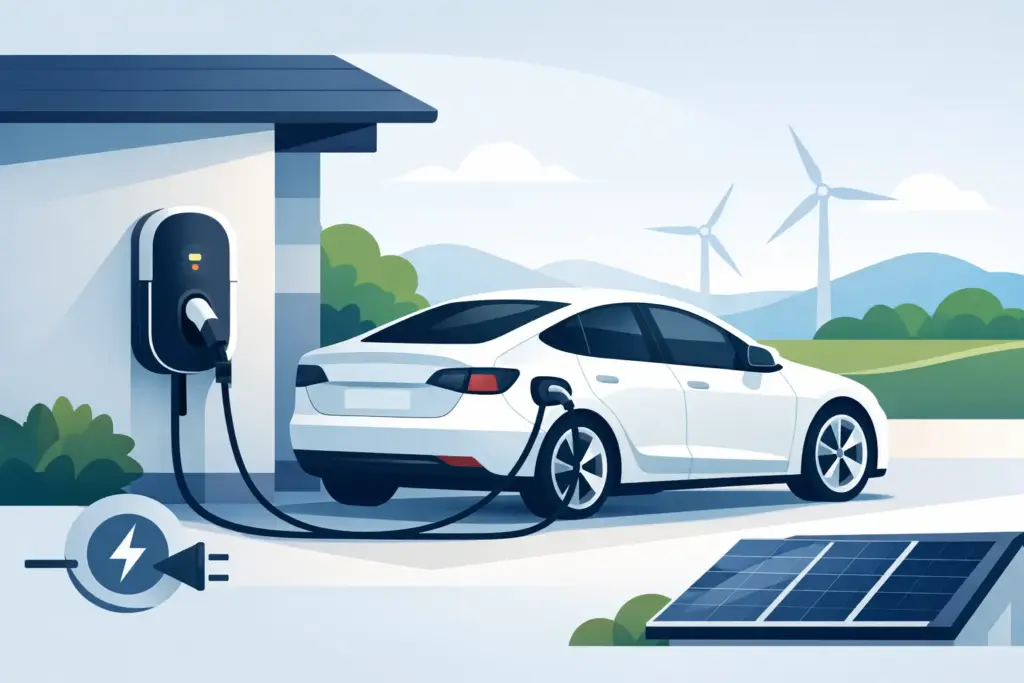
A home EV charging station is a fixed charging point connected to your electrical supply, usually mounted on an external wall or a post near the parking space. It communicates with the vehicle, confirms that charging can begin safely and then delivers power at a defined rate. Unlike a domestic socket, it is designed specifically for continuous EV charging loads.
Most UK home chargers are AC chargers. That means the charger supplies alternating current to the car, and the vehicle’s onboard charger converts it into the direct current needed by the battery. This matters because the car’s onboard charger can limit how quickly the vehicle can charge, even if the wall unit is capable of more.
A proper EV charger also includes safety and control features that ordinary sockets do not. Depending on the product and installation design, this can include load balancing, PEN fault protection, scheduled charging, app control, RFID access and integration with solar or time-of-use tariffs.
Why a dedicated charger is better than a 3-pin plug
A 3-pin plug can charge an EV, but it is usually a fallback option rather than the best everyday setup. Charging is much slower, and because the socket was not designed as a long-duration EV charging point, it is not the preferred arrangement for regular use.
A home EV charging station is faster, tidier and generally more practical. A 7kW charger, which is the most common domestic option in the UK, can add a useful amount of range overnight for most drivers. For many homes, that means the car is ready every morning without needing public charging during the week.
There is also a clear difference in usability. A dedicated charger often lets you schedule charging for off-peak periods, monitor energy use and avoid overloading the property’s supply. That becomes more valuable when the home already has electric heating, solar PV or battery storage.
The main types of home EV charger
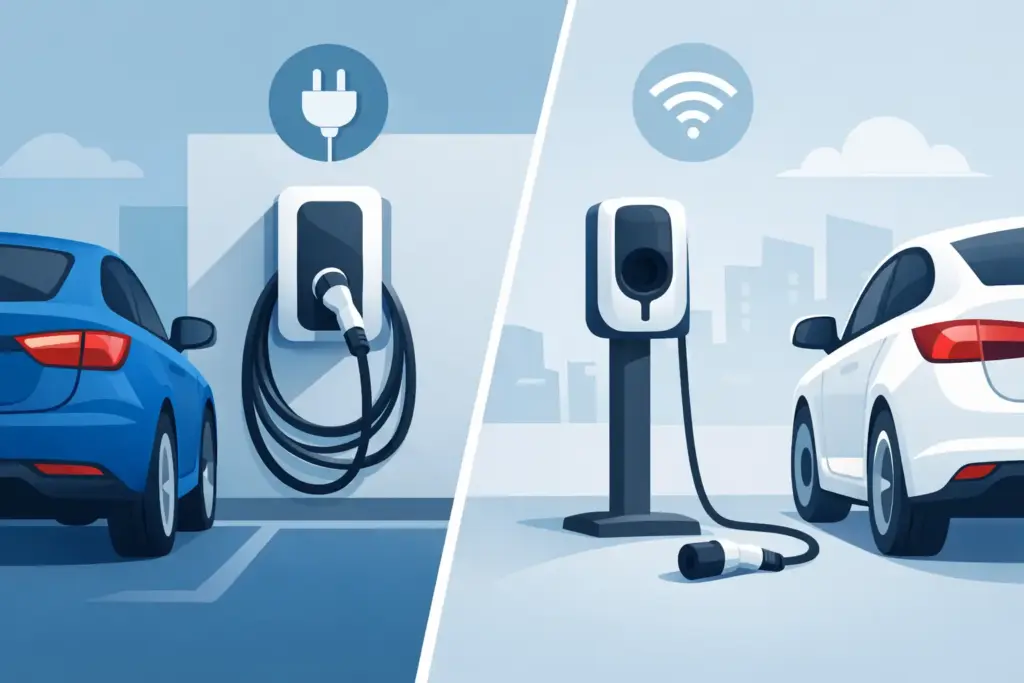
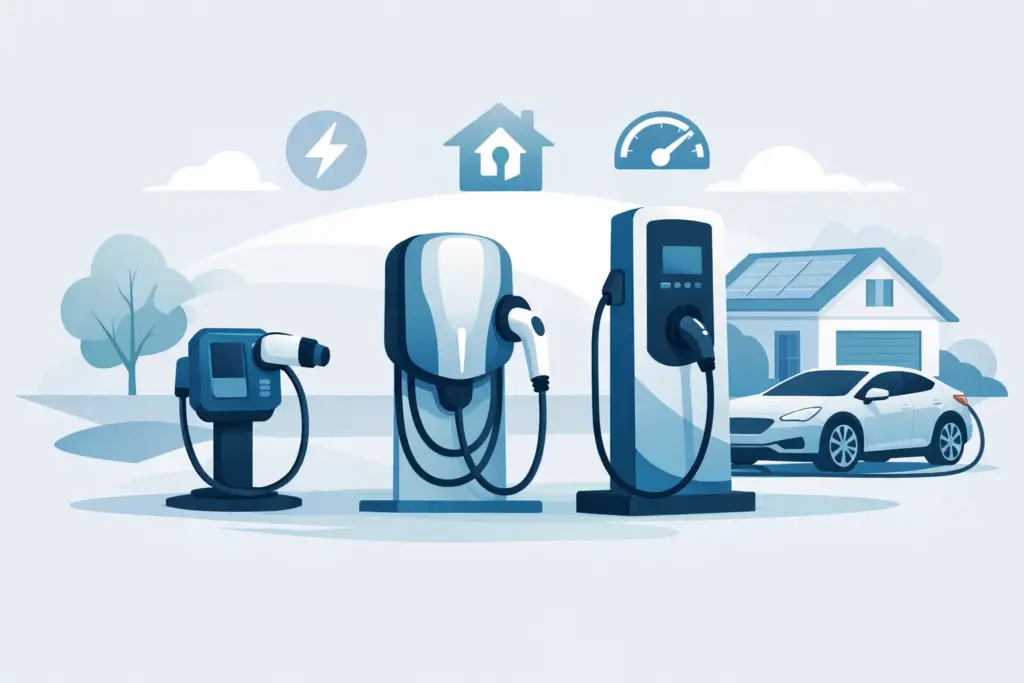
The first distinction is tethered versus untethered. A tethered charger has a fixed cable attached to the unit. It is convenient because the cable is always there, which suits drivers who want a quick daily plug-in. The downside is less flexibility if the connector type changes in future or if multiple vehicles with different needs share the charger.
An untethered charger has a socket instead of a fixed lead. You use a separate charging cable, which can look neater and gives more flexibility. This is often a good choice where appearance matters or where the charger may need to serve different vehicles over time.
The next distinction is smart versus basic. Smart chargers are now the standard expectation in the UK market. They offer app control, charging schedules, energy monitoring and, in many cases, compatibility with tariffs that reward charging at cheaper times. Some units are stronger than others on solar integration, dynamic load management or user interface, so the best choice depends on how the customer plans to use the charger.
Power ratings and what they mean in practice
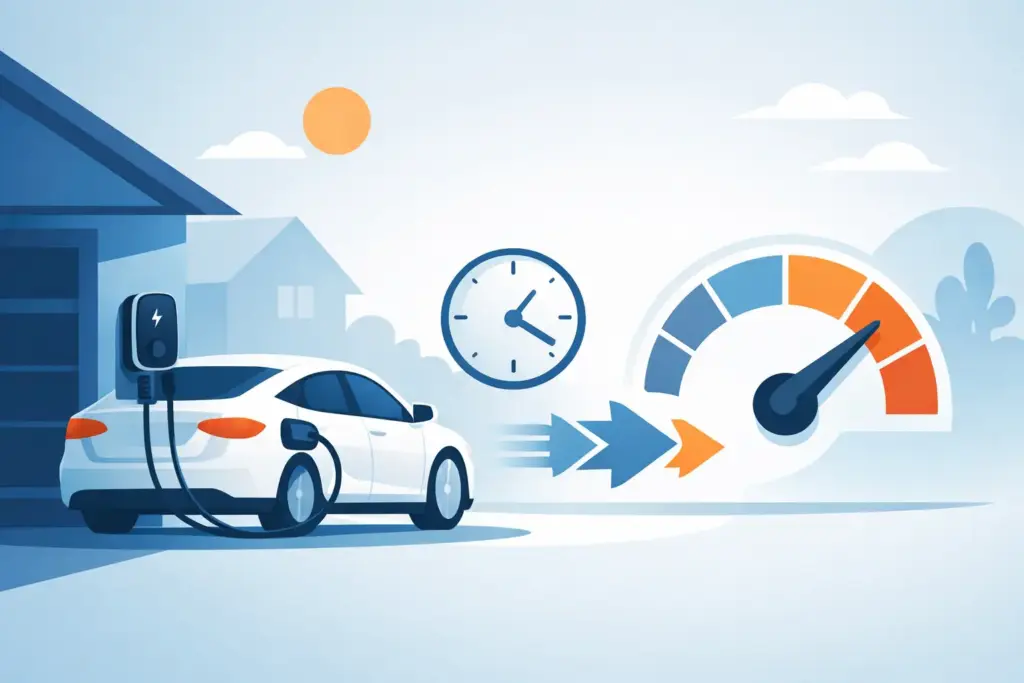
For most single-phase homes in the UK, 7.4kW is the default domestic charger rating. It is widely compatible, gives a strong balance of charging speed and installation practicality, and suits the majority of EV ownership patterns.
Some larger properties or commercial-style domestic setups may have three-phase power available, which can support 11kW or 22kW AC charging. That does not automatically mean the car will charge at those speeds. The vehicle must also support the higher AC intake rate. If it does not, the benefit of the higher-rated charger may be limited.
This is where expectations need to be realistic. A bigger number on the charger spec sheet does not always mean faster real-world charging. Vehicle compatibility, supply type and daily mileage all matter. A driver covering modest weekly mileage may see little practical difference between charger options if overnight charging already covers their needs.
What is included in a home EV charging station setup?
The charger unit itself is only part of the system. A proper installation may also require circuit protection, isolation, cabling, fixings and mounting hardware. Depending on the charger and site conditions, the design could include RCBO protection, surge protection, earth arrangements or PME fault protection, plus load management where the incoming supply is limited.
For some installations, especially where the parking position is not directly beside the consumer unit, cable length and route become a meaningful part of the job. Long cable runs, difficult access, detached garages and decorative external finishes can all affect the specification and install cost.
From a buying perspective, this is why selecting a charger by appearance alone can be misleading. The charger may be compatible with the vehicle, but the property may still need supporting components to make the installation safe and practical.
Choosing the right charger for a UK home
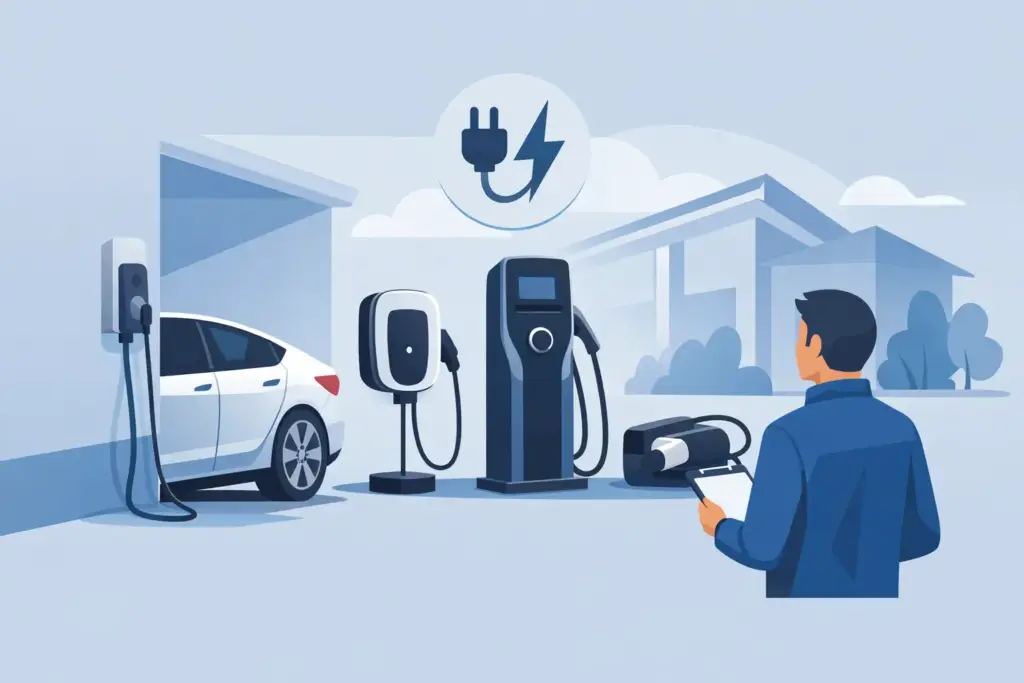
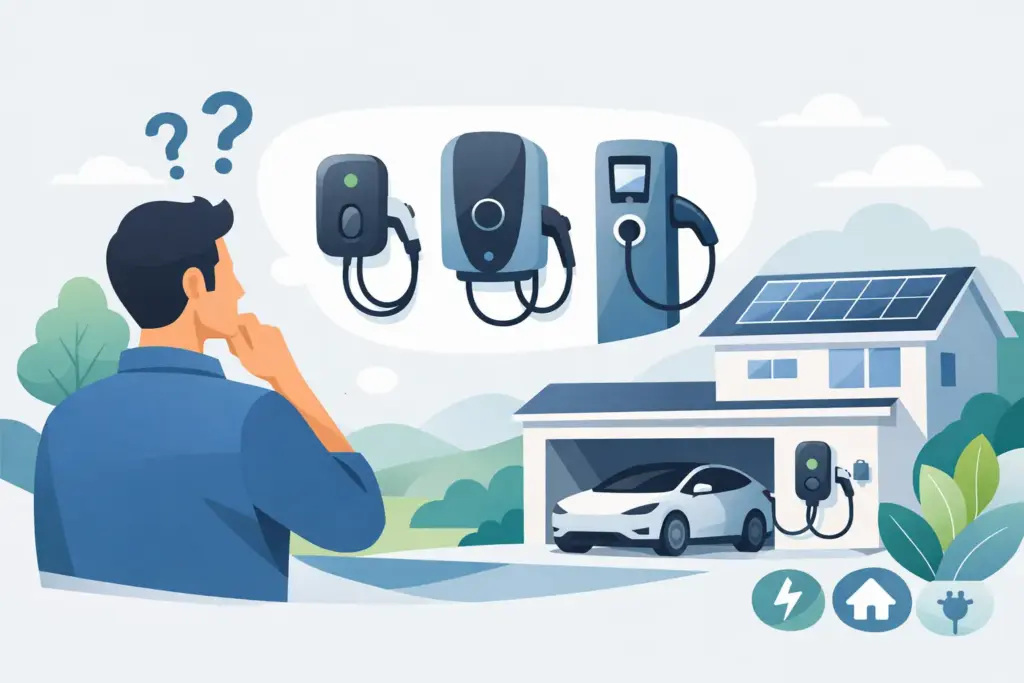
The best starting point is not brand, but use case. Think about the vehicle, the parking arrangement and whether the driver wants app control, solar charging or tariff scheduling. Then look at the property supply and installation constraints.
A homeowner on an EV tariff may prioritise chargers that schedule easily around off-peak windows. A solar-equipped property may favour a charger with strong surplus solar charging features. A family with more than one EV may need load balancing or a plan for future expansion. Installers will already know that these details affect not just the product choice but also the protection and accessories needed on site.
Cable management matters too. Tethered chargers can be the simplest option for daily use, but an untethered unit can give a cleaner finish. If the parking bay is tight, cable entry and connector position are worth checking before ordering.
Installation, compliance and electrical considerations
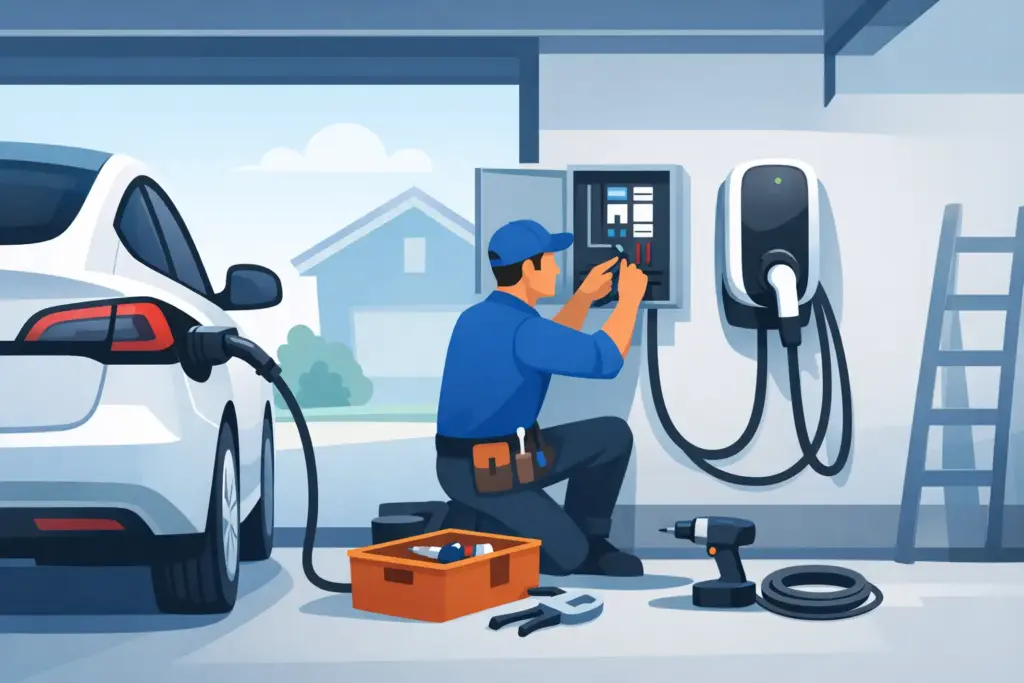
Home EV charging is not a casual add-on to the house electrics. The charger is a high-load item and should be installed by a competent electrician who understands EV charging requirements, current regulations and product-specific instructions.
Before installation, the installer will assess the consumer unit, earthing system, available capacity and cable route. In some homes, load management is advisable because the property already has significant electrical demand. In others, the key issue may be how to handle PME considerations safely without unnecessary complexity.
This is also why trade buyers and informed homeowners often prefer sourcing from specialist suppliers rather than treating the charger as a generic electrical product. Product depth matters. So does access to compatible accessories, protection devices and mounting options that avoid last-minute compromises on site.
Smart features that can save money
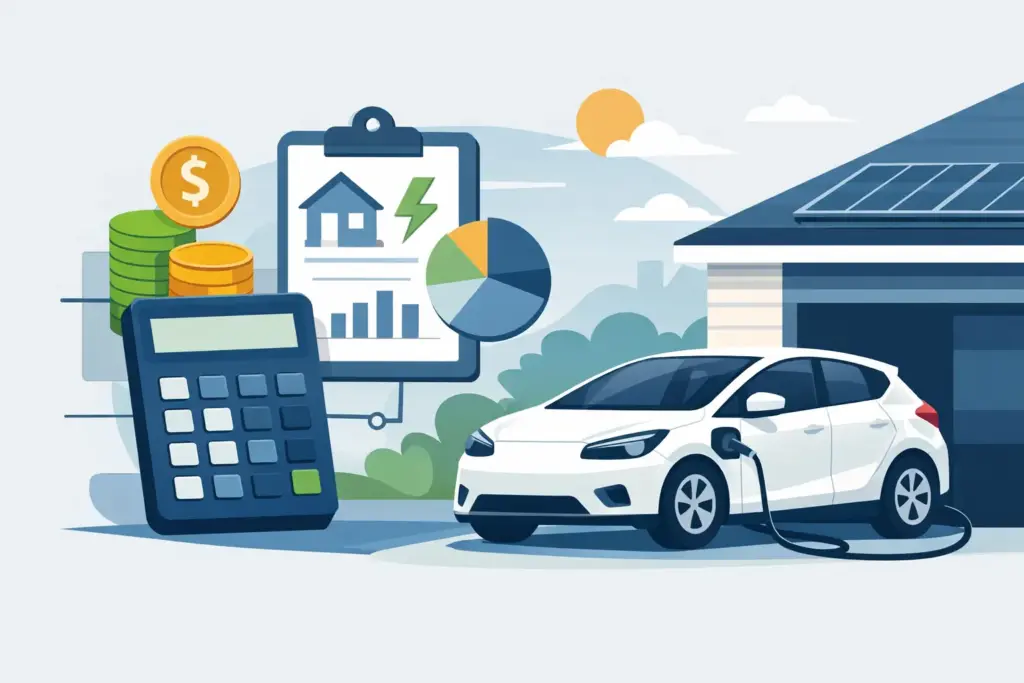
A charger does more than put energy into the battery. The better question is how intelligently it does that. Smart charging features can help reduce running costs by shifting charging to cheaper tariff periods, limiting charging when household demand is high or using available solar generation.
Not every smart feature is useful for every household. Some drivers simply want scheduled overnight charging and a clear app. Others want tariff integration, usage reports and the option to prioritise solar. There is no universal best charger, only the charger that best matches the property and charging pattern.
For buyers comparing products, this is where recognised brands tend to separate themselves. Reliability, software support and practical installation options often matter more over time than headline price alone.
Common mistakes when buying a home EV charger
One common mistake is assuming any charger will suit any property. Vehicle connector type, charger power, supply configuration and site layout all need checking. Another is focusing on the charger while overlooking the installation components needed to complete the job properly.
Price-only buying can also backfire. A cheaper unit may still become the more expensive option if it lacks the features needed for the tariff, requires awkward workarounds or creates a poor user experience. The same applies to futureproofing. If a second EV, solar array or battery system is likely later, it is worth factoring that in now.
For installers, the avoidable problems are usually specification gaps rather than technical surprises. Missing protection, incorrect assumptions about earthing or underestimating cable management can all slow a straightforward job.
At its core, a home EV charging station is a purpose-built, safe and controllable way to charge an electric vehicle where it is parked most often. For most UK drivers, that makes it less of a luxury and more of a sensible part of EV ownership. If you choose the charger around the vehicle, the property and the way the energy is used, the setup tends to work properly from day one – and keep working as the rest of the home electrifies.
What Speed Are Home EV Chargers?
What speed are home EV chargers? Learn the typical 3.6kW, 7kW and 22kW charging rates, what affects speed, and what suits UK…Tethered vs Untethered Charger: Which Fits?
Tethered vs untethered charger – compare cable convenience, looks, compatibility and installation needs to choose the right EV charger.How to Calculate Home EV Charging Cost
Learn how to calculate home EV charging cost using battery size, tariff rates and charging losses, with simple UK examples and practical…