




James Harding
23/05/2026
Ohme ePod review: a smart home charging pick?
If you are comparing compact home chargers rather than chasing the flashiest unit on the wall, this Ohme ePod review gets to the point quickly. The ePod has become a popular option because it combines a tidy socketed design with smart charging features that matter in real UK use – especially for drivers on off-peak tariffs and installers who want a recognised, straightforward product.
Ohme ePod review: who is it for?
The Ohme ePod is aimed at homeowners who want a smart charger without paying for unnecessary cosmetic extras. It also suits landlords, fleet users and installers looking for a compliant, widely specified unit that covers the basics well. In practical terms, it is a good fit for drivers who want to plug in, let the charger manage schedules through the app, and make use of lower-cost electricity windows.
The socketed format is a key part of its appeal. If you want flexibility to use your own Type 2 cable, keep the front of the unit neat, or replace a charging lead without changing the charger itself, the ePod makes sense. For some buyers, that is preferable to a tethered unit. For others, especially those who value speed and convenience on wet evenings, a tethered charger may still feel easier day to day.
Design and build quality
The ePod is compact and relatively understated. It does not try to compete with premium-looking chargers that turn the wallbox into a design feature. That is not a criticism. For many properties, a smaller and less conspicuous charger is exactly the right choice.
Build quality is solid rather than luxurious. It feels like a practical outdoor electrical product, which is what it is. The housing is designed for everyday residential use, and the form factor makes it easier to place on narrower wall sections or tighter driveways where a bulkier charger might be awkward.
For installers, the small footprint can help with positioning, although site conditions still matter. Cable routes, isolation, earthing arrangements and local mounting constraints are often more important than the unit’s appearance.
Smart charging and tariff compatibility
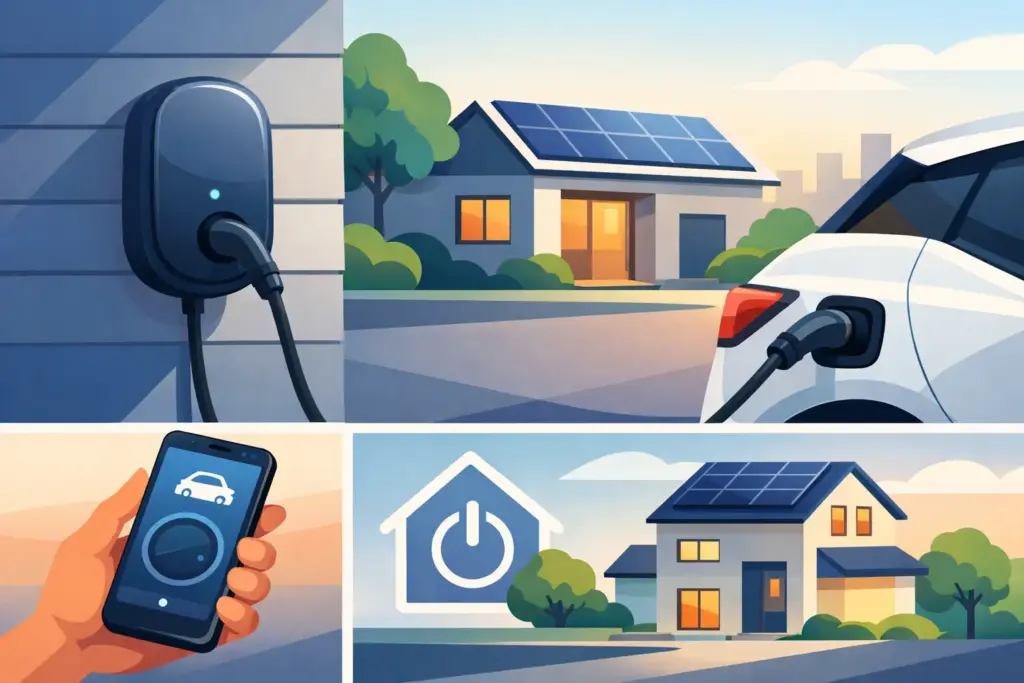
This is where the ePod starts to justify its place on a shortlist. Ohme has built its reputation around tariff-aware charging, and the ePod benefits from that same approach. Rather than acting as a simple timer, it is designed to work around lower-rate electricity periods and can schedule charging accordingly.
For UK households on EV tariffs, that can make a noticeable difference to running costs. Instead of manually setting charging windows and adjusting them every time your tariff changes, the charger app does more of the work. If your priority is reducing charging cost rather than just adding energy as fast as possible, that matters.
There is a practical trade-off, though. Smart features are only as useful as the setup behind them. You need a stable mobile signal or suitable connectivity for the charger’s features to work as intended, and you need to spend a little time getting the app settings right. Buyers expecting a purely fit-and-forget appliance with no app involvement may find a simpler charger easier to live with.
Day-to-day use
In daily use, the ePod is generally straightforward. Plug the cable into the car, check the charging status, and let the charger handle the rest according to your preferences. For households that charge overnight most of the time, that is the real test. A charger does not need to be exciting. It needs to be dependable.
The app-led approach will suit some users more than others. If you like being able to set target charge levels, scheduling preferences and tariff-based behaviour from your phone, it works well. If you prefer physical controls on the unit itself, the ePod is less appealing than some alternatives.
A socketed charger also means one extra step each time you charge compared with a tethered model. That is minor for some households and mildly annoying for others. It depends on routine, parking layout and how often the car is used.
Installation considerations
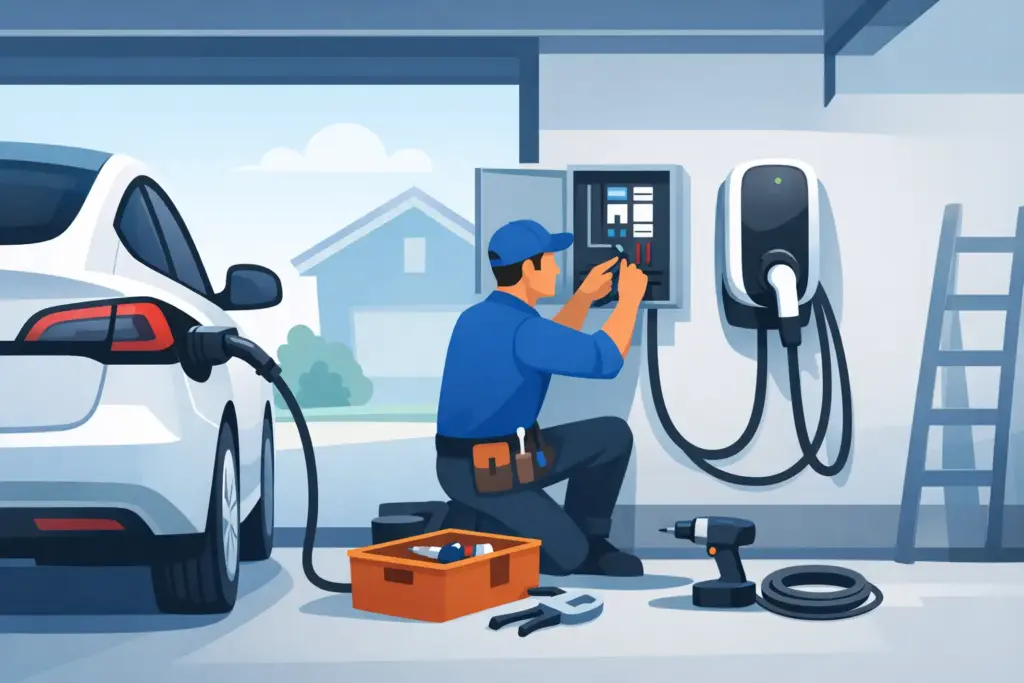
From an installation point of view, the ePod is not unusual in the sense that the charger is only part of the job. Final suitability depends on the property supply, earthing system, distance from the consumer unit, cable route, protection requirements and whether any load management or additional protective devices are needed.
Installers will already know that charger selection should not be separated from compliance. The ePod can be a sensible choice, but the broader installation package still needs to be right. That may include RCBO protection, surge protection, appropriate enclosure choices and, on some jobs, consideration of PME-related requirements or other protective measures depending on site conditions and product specification.
For homeowners, the key point is simple: the charger’s purchase price is not the whole cost. A straightforward install can be very different from a longer cable run, difficult wall access or a board that needs upgrading. That is not an Ohme issue specifically – it applies across the market.
Ohme ePod review: strengths and limitations
The ePod’s biggest strength is that it focuses on useful functionality. Smart tariff support, a compact body and a socketed setup cover what many UK EV drivers actually need. It is not trying to be a premium statement charger, and that keeps its proposition clear.
Another advantage is brand familiarity. Ohme is well established in the UK EV charging sector, which gives buyers and installers a degree of confidence around app ecosystem, support and compatibility. When a charger is already widely recognised, it is often easier to specify and easier for customers to trust.
Its limitations are mostly about preference rather than outright weakness. If you want a charger with standout styling, built-in cable storage elegance or a more premium finish, there are stronger options elsewhere. If you dislike app dependence or you know you want the convenience of a permanently attached cable, the ePod may not be your best fit.
How it compares with other home chargers
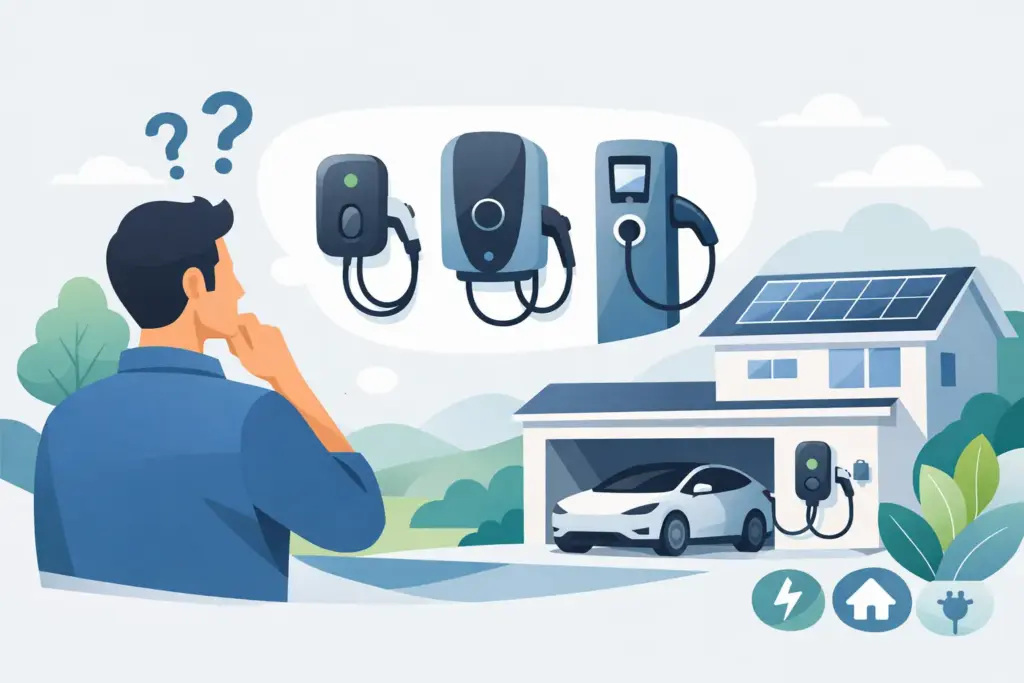
Against other smart socketed chargers, the ePod competes well on practicality. Its core appeal is not visual flair but usable smart charging. Buyers comparing it with units from Hypervolt, Zaptec, myenergi or Andersen should focus on what matters most to the installation and the household.
If appearance is the priority, some premium chargers will look more refined. If solar integration is central to the project, another charger may be stronger depending on the property setup and the control features required. If the priority is cost-aware charging on EV tariffs in a compact package, the ePod is often one of the more sensible choices.
For trade buyers, another factor is sourcing the full job from one place. Charger choice often sits alongside circuit protection, tails, isolators, cable accessories, mounting hardware and other essentials. That wider procurement picture matters just as much as the charger headline spec.
Is the Ohme ePod good value?
Value depends on what you are measuring. If you judge purely on aesthetics, there are more refined-looking units on the market. If you judge on practical smart charging features and everyday usability, the ePod makes a stronger case.
It tends to represent good value for buyers who will actually use its tariff-aware features. That is worth stressing. A smart charger only delivers value if the household uses the software, sets the schedule correctly and charges in a way that benefits from lower-rate electricity. If not, a simpler and possibly cheaper charger could do the job just as well.
For installers, value also includes reliability of specification and suitability for a broad range of domestic projects. A charger that is recognised, sensibly sized and easy to position can be commercially attractive even if it is not the most premium-looking product on the shelf.
Verdict
This Ohme ePod review comes down in favour of the charger for the right type of buyer. It is a strong option for UK drivers who want a compact socketed wallbox with smart charging features that can help reduce running costs. It is also a credible choice for installers who need a well-known home charging product that fits mainstream domestic requirements.
It will not be the best charger for everyone. Buyers who want a tethered cable, more design-led styling or a different feature mix may be better served elsewhere. But if your brief is practical, tariff-aware and compact, the ePod is easy to recommend.
For many homes, the best charger is not the one with the longest feature list. It is the one that fits the property, matches the tariff, and gets used properly every week.
How to Select Load Balancing for EV Chargers
Learn how to select load balancing for EV chargers based on supply, charger count, phase setup and site use to avoid overloads…How to Calculate Home EV Charging Cost
Learn how to calculate home EV charging cost using battery size, tariff rates and charging losses, with simple UK examples and practical…Andersen vs Zaptec charger: which suits you?
Andersen vs Zaptec charger compared for UK homes and installers. See differences in design, cable setup, smart features and fit for each…